

Kullu · 3-day plan
3-Day Kullu Itinerary
The brief
A 3-day Kullu, Himachal Pradesh itinerary by MyTripMyTravel is a high-efficiency sprint sequenced from real city data, headline heritage at its best hour, deliberate rest, vetted dining, and the chauffeured Elite Fleet handling logistics. The March to June, September to November window is optimal; pacing adjusts outside it. Recommended stay tier Riverside retreat tier. The plan is a starting architecture, refined to your party during planning.
A 3-day Kullu itinerary is a tight, headlines-only plan, the essential heritage, one signature moment, and a careful sequence so the days are spent on experience rather than transitions. We use it when Kullu is a single leg in a wider Indian trip.
The principle is the same across every length: one signature moment per day, not three; rest engineered in rather than apologised for; logistics invisible to the guest. Everything below is sequenced into a private, chauffeured, escorted mission, never a shared coach.
Day by day
Arrival & Kullu orientation
Chauffeured arrival into Kullu via Bhuntar (Kullu-Manali airport, KUU) lies about 10 km south with limited service; most guests fly to Chandigarh (IXC) and continue by our fleet on a full-day chauffeured leg. After settling at the curated stay, an unhurried orientation walk or drive frames the city, valley of the gods on the beas, and absorbs travel fatigue without losing daylight.
An early dinner at a vetted heritage table eases the time-shift; we keep day one deliberately light. The full sightseeing protocol begins day two, when the body is on local time.
Naggar Castle, the headline
The first full day is reserved for Naggar Castle, with escorted access at the best hour. Naggar Castle is a medieval castle of the Kullu rajas, built in the local kath-kuni style of stone and timber on a ridge above the Beas at Naggar.
A midday return to the stay for lunch and rest, then a softer afternoon, a curated walk, a viewpoint timed for the late light, and a vetted dinner. The day is structured around one signature moment rather than three rushed ones.
Raghunath Temple & deeper Kullu
Raghunath Temple: The town's principal shrine to Lord Raghunath, the deity at the heart of Kullu's spiritual and festival life..
For a 3-day stay, this is the final day, onward transit or departure tomorrow morning. We compress the must-sees into the morning so the afternoon has room for a second look at the favourite.
Trip context
When to travel
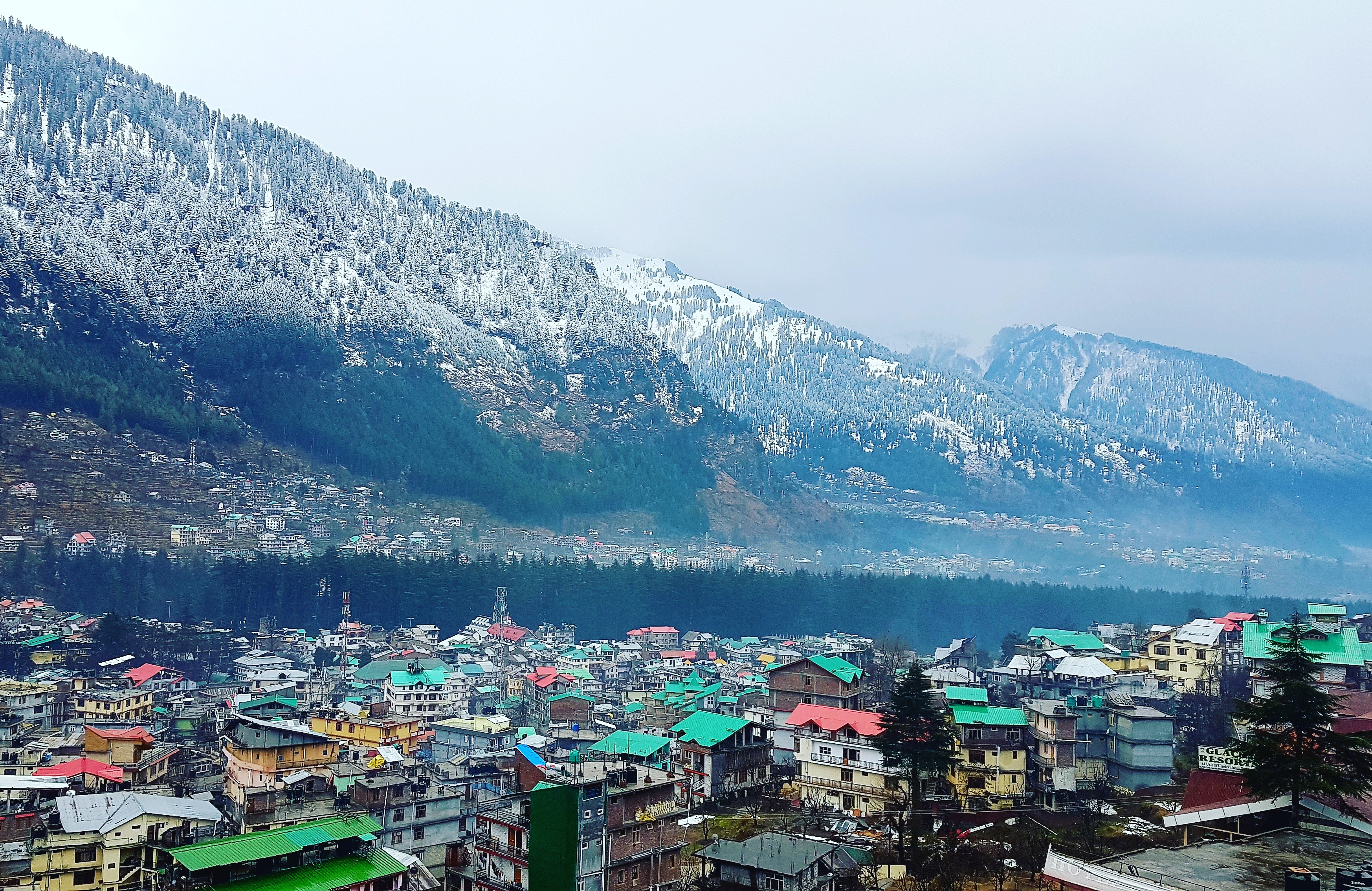
Optimal: March to June, September to November. Spring and early summer (March to June) bring blossoming orchards, green valley floors, and warm, clear days ideal for temples and river time. Autumn (September to November) delivers the crispest air and the sharpest mountain views, and mid-to-late October usually carries Kullu Dussehra, a spectacular but very busy window we book well ahead for. Winter (December to February) is cold and atmospheric, with snow on the higher slopes. The monsoon (July to August) greens the valley but raises the real risk of landslides on the Beas-valley highway, so we keep schedules flexible then.
Where to stay across the trip
Riverside retreat tier: Boutique lodges and resorts set along the Beas around Kullu and Katrain, chosen for river outlook and quiet grounds. Heritage & orchard tier: Character stays in restored valley houses and apple-orchard properties, several toward Naggar with its old castle. Homestay tier: Family-run Kullvi homestays offering local food and genuine village contact away from the highway.
Tier is matched to the kind of trip rather than a price ladder. A celebration leans to the top tier; a recovery or wellness stay leans to the calmer tier; a city-base for regional extension prioritises practicality.
Onward & continuity
Kullu is rarely the whole trip, it is a node in the North India. The same chauffeured fleet continues seamlessly into the wider circuit (Jibhi, Mandi and Manali). Inter-leg permits and timing are handled before you travel.
Good to know
3-day Kullu FAQ
Is a 3-day Kullu itinerary enough?
Three days is a tight, headlines-only stay, enough for the essential experiences if you accept a compressed pace. Five to seven days is more comfortable for Kullu.
When is the best time for a 3-day Kullu trip?
March to June, September to November. Spring and early summer (March to June) bring blossoming orchards, green valley floors, and warm, clear days ideal for temples and river time. Autumn (September to November) delivers the crispest air and the sharpest mountain views, and mid-to-late October usually carries Kullu Dussehra, a spectacular but very busy window we book well ahead for. Winter (December to February) is cold and atmospheric, with snow on the higher slopes. The monsoon (July to August) greens the valley but raises the real risk of landslides on the Beas-valley highway, so we keep schedules flexible then.
Can the 3-day plan be customised?
Entirely. Every itinerary below is a starting architecture; we adjust days, hotels, and stops to your party while holding the 3-day rhythm.
Is the itinerary private?
Always, a single party with a dedicated chauffeur on the GPS-tracked Elite Fleet protocol, escorted access at monuments. Never a shared group departure.
Other lengths
Ready to book
Itineraries featuring Kullu
Prefer a fully planned, day-by-day tour? These private, chauffeured itineraries feature Kullu or the wider North India, each customisable to this 3-day plan.
Plan with us
Plan your 3-day Kullu trip
Private, chauffeured travel with this 3-day Kullu plan tuned to your pace. Tell us your dates and party size, and we reply with a tailored itinerary and a transparent quote.
Plan your trip
Plan your 3-day Kullu trip
Free, no obligation quote. Your details stay private.