
Mudumalai · 10-day plan
10-Day Mudumalai Itinerary
The brief
A 10-day Mudumalai, Tamil Nadu itinerary by MyTripMyTravel is a deep dive + regional extension sequenced from real city data, headline heritage at its best hour, deliberate rest, vetted dining, and the chauffeured Elite Fleet handling logistics. The February to May & September to October window is optimal; pacing adjusts outside it. Recommended stay tier Forest-lodge tier. The plan is a starting architecture, refined to your party during planning.
A 10-day Mudumalai itinerary covers the city deeply and extends naturally into the wider South India, treating Mudumalai as a base rather than a single stop. The pacing rewards travellers who prefer fewer cities, more time per city.
The principle is the same across every length: one signature moment per day, not three; rest engineered in rather than apologised for; logistics invisible to the guest. Everything below is sequenced into a private, chauffeured, escorted mission, never a shared coach.
Day by day
Arrival & Mudumalai orientation
Chauffeured arrival into Mudumalai via Coimbatore International (CJB) is the main gateway, about 160 km away; Kozhikode (CCJ) is another option for the western approach. After settling at the curated stay, an unhurried orientation walk or drive frames the city, the tiger reserve of the nilgiri foothills, and absorbs travel fatigue without losing daylight.
An early dinner at a vetted heritage table eases the time-shift; we keep day one deliberately light. The full sightseeing protocol begins day two, when the body is on local time.
Forest-department safari, the headline
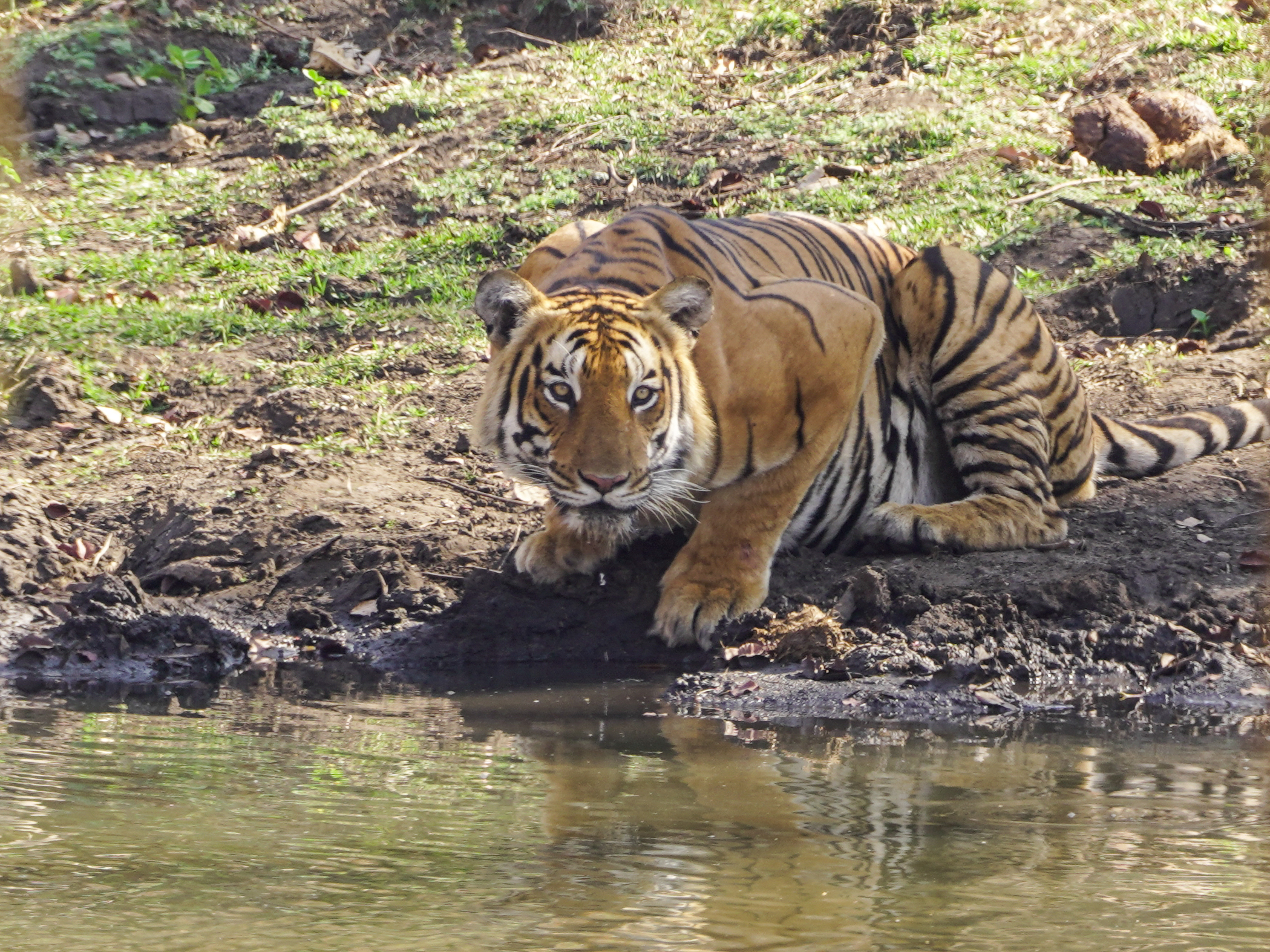
The first full day is reserved for Forest-department safari, with escorted access at the best hour. An official jeep or bus safari through the reserve at permitted hours with a chance at elephants, gaur, and more..
A midday return to the stay for lunch and rest, then a softer afternoon, a curated walk, a viewpoint timed for the late light, and a vetted dinner. The day is structured around one signature moment rather than three rushed ones.
Theppakadu elephant camp & deeper Mudumalai
Theppakadu elephant camp: One of India's oldest elephant camps on the Moyar river, with feeding and bathing sessions..
Built around the morning hour for Theppakadu elephant camp, with afternoon time for Guided birdwatching and Lodge forest kitchens.
Guided birdwatching & a slower rhythm
Guided birdwatching: An expert-led session through the varied habitats, rich in hornbills, raptors, and forest species..
The February to May & September to October window is optimal for Mudumalai; the pacing is built around the light and the heat / cold profile of the season.
Moyar river & valley views & evening centrepiece
Moyar river & valley views: Scenic stops at the river and the dramatic Moyar gorge on the reserve's northern edge..
Evening is held as a centrepiece, a private heritage dining table, a sunset vantage, or a curated performance, rather than dispersed across multiple stops.
Secondary sites & a curated walk
The seventh-day rhythm tilts to depth, Naturalist nature walks, Ooty to Mudumalai scenic drive, and a curated walk through the old quarter or a craft neighbourhood with an expert guide.
By this point in the stay the rhythm of the city is familiar; the day rewards lingering rather than queuing.
Reserve / regional pivot
Day seven is held either as a true reserve day (rest, repeat-favourite, spa time at the stay) or as the pivot into the wider South India circuit, a day trip to Ooty, Bandipur and Wayanad returning the same evening.
Travellers staying longer than seven nights typically extend into the wider region from here, treating Mudumalai as the base rather than the whole trip.
Extension into South India
From day eight the itinerary opens out into South India. The chauffeured fleet relocates to Ooty as a paired leg, a slower, region-deep counterpoint to the Mudumalai days.
Sequencing is built so the transfer is a sightseeing leg in its own right, not a wasted travel day.
Deep regional stop
A full day in the paired city, its headline experience in the morning, an unhurried afternoon, and an evening shaped by the region's signature register (palace dining, lake sunset, fort viewpoint depending on the destination).
The pace is deliberately slower than the urban days; the second city should feel different from Mudumalai, not repetitive.
Return / onward and recovery
Day ten closes the loop, return to Mudumalai for departure, or onward by chauffeured fleet to the next regional anchor.
For 10-day travellers we leave a half-day cushion before the international flight, a recovery morning at the stay, then airport handover.
Trip context
When to travel
Optimal: February to May & September to October. The drier months are generally best for wildlife activity, with the late-dry season from February to May concentrating animals near water, though it is also the hottest and most fire-prone time. The post-monsoon window of September to October brings lush green and good birding. The southwest monsoon can make forest roads difficult, and the reserve applies seasonal closures to certain zones, so open areas vary through the year. A strict night-traffic ban operates on the highway through adjoining Bandipur, so transfers are timed for daylight.
Where to stay across the trip
Forest-lodge tier: Wildlife lodges and resorts at the reserve edge near Masinagudi, geared to early safari starts. Contemporary tier: Comfortable full-service resorts with pools and gardens on the forest fringe. Wellness tier: Quiet nature retreats for slow days between safaris, with restorative rest and birdsong.
Tier is matched to the kind of trip rather than a price ladder. A celebration leans to the top tier; a recovery or wellness stay leans to the calmer tier; a city-base for regional extension prioritises practicality.
Onward & continuity
Mudumalai is rarely the whole trip, it is a node in the South India. The same chauffeured fleet continues seamlessly into the wider circuit (Ooty, Bandipur and Wayanad). Inter-leg permits and timing are handled before you travel.
Good to know
10-day Mudumalai FAQ
Is a 10-day Mudumalai itinerary enough?
For 10 days, Mudumalai sits as the base and the itinerary extends into the wider South India as a coherent regional mission.
When is the best time for a 10-day Mudumalai trip?
February to May & September to October. The drier months are generally best for wildlife activity, with the late-dry season from February to May concentrating animals near water, though it is also the hottest and most fire-prone time. The post-monsoon window of September to October brings lush green and good birding. The southwest monsoon can make forest roads difficult, and the reserve applies seasonal closures to certain zones, so open areas vary through the year. A strict night-traffic ban operates on the highway through adjoining Bandipur, so transfers are timed for daylight.
Can the 10-day plan be customised?
Entirely. Every itinerary below is a starting architecture; we adjust days, hotels, and stops to your party while holding the 10-day rhythm.
Is the itinerary private?
Always, a single party with a dedicated chauffeur on the GPS-tracked Elite Fleet protocol, escorted access at monuments. Never a shared group departure.
Plan with us
Plan your 10-day Mudumalai trip
Private, chauffeured travel with this 10-day Mudumalai plan tuned to your pace. Tell us your dates and party size, and we reply with a tailored itinerary and a transparent quote.
Plan your trip
Plan your 10-day Mudumalai trip
Free, no obligation quote. Your details stay private.