
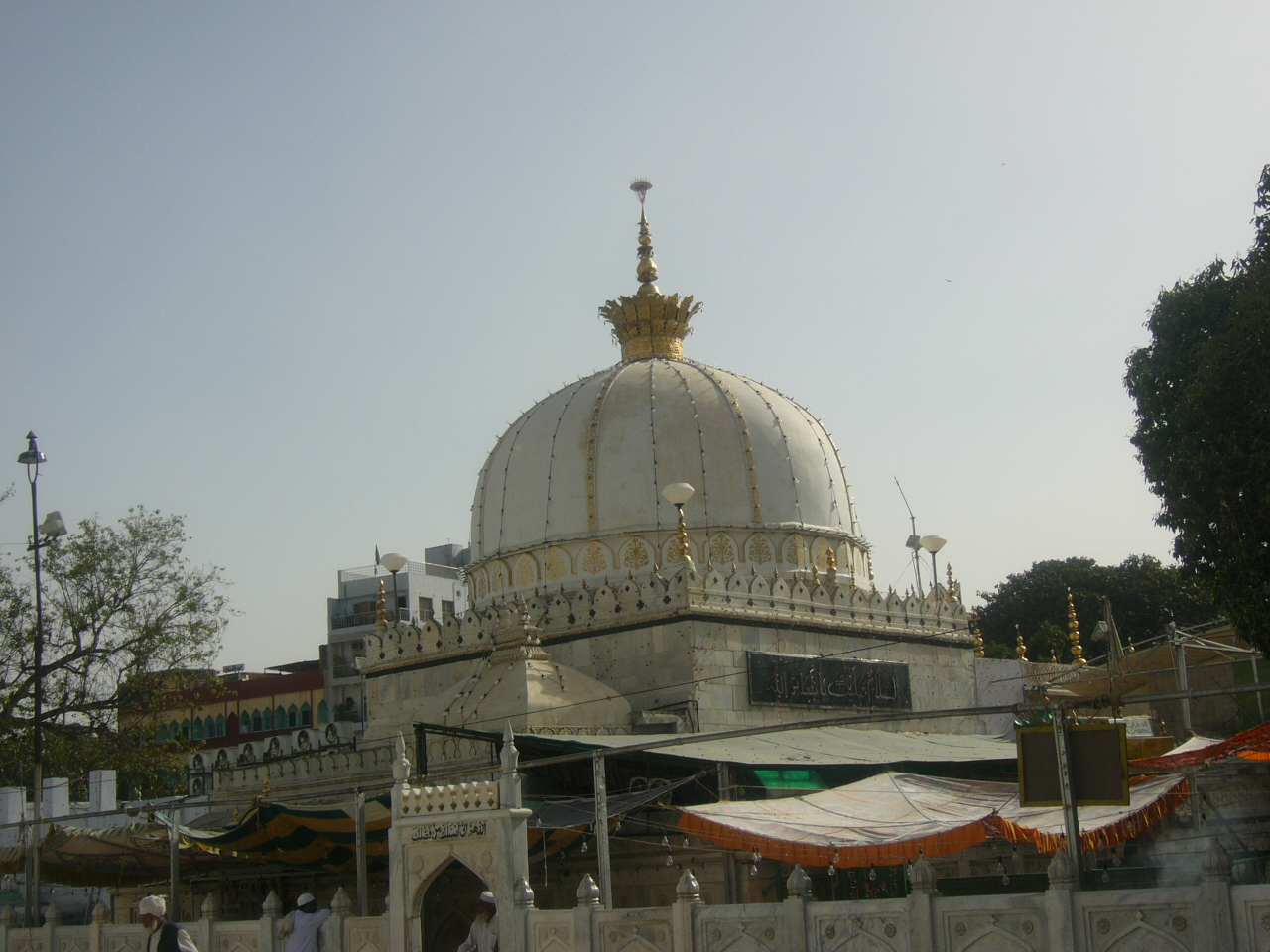
Ajmer Sharif Dargah
India's Great Sufi Shrine of the Chishti Saint
Overview
Ajmer Sharif is the dargah, or tomb-shrine, of Khwaja Moinuddin Chishti, the Sufi saint who settled in Ajmer and died there in 1236. It is among the most revered pilgrimage sites in the subcontinent, drawing devotees of many faiths who tie threads, offer flowers and rose petals, and listen to qawwali. Mughal emperors, including Akbar, are recorded as patrons and pilgrims. The complex is dense, devotional, and often crowded rather than a quiet garden monument. MyTripMyTravel arranges a respectful, well-briefed visit with a guide who explains the etiquette.
Ajmer Sharif is not a monument you tour so much as a living shrine you enter. At its heart lies the tomb of Khwaja Moinuddin Chishti, the Persian-born mystic who made Ajmer his home and whose Chishti order shaped devotional Islam across South Asia. Pilgrims of every background come to seek blessings, and the courtyards hum with prayer, music, and the scent of roses.
The complex grew over centuries under royal patronage, with gateways, a mosque, and great cauldrons in which offerings are prepared. The annual Urs, marking the saint's death anniversary, swells the city with hundreds of thousands of pilgrims and is a profound but intensely crowded experience.
MyTripMyTravel treats a visit here as a cultural and spiritual encounter, not a photo stop. We brief you on covering the head, dressing modestly, and the flow of the shrine, and we time entry to avoid the heaviest crush where possible.
At a glance
Ajmer Sharif Dargah in brief
What to see
Highlights
The tomb chamber
The saint's grave lies under a domed marble chamber, the shrine's devotional core, usually thronged with pilgrims making offerings.
Gateways
Monumental gates, several the gift of later rulers and nobles, mark the approach through the bazaar into the courtyards.
The great cauldrons
Two enormous degs (cauldrons) stand in the courtyard, in which food is cooked and distributed to pilgrims as a charitable offering.
Qawwali
Devotional Sufi singing is part of shrine life here, an aural tradition closely tied to the Chishti order.
Mosque within
The complex includes mosque structures raised under Mughal patronage, set among the shrine's crowded lanes.
Visitor information
Our tips
Cover your head and dress modestly; scarves are sold nearby.
Leave shoes at the designated stands before entering.
Guard valuables; the lanes and courtyards get very crowded.
During Urs the crowds are immense, plan accordingly with your guide.
Good to know
Ajmer Sharif Dargah, your questions
Whose shrine is this?
It is the tomb-shrine of Khwaja Moinuddin Chishti, a Sufi saint who lived in Ajmer and died in 1236.
Can non-Muslims visit?
Yes. The dargah welcomes visitors of all faiths, and many non-Muslims come to pay respects.
Is there an entry fee?
There is no fee to enter the shrine, though offerings and donations are customary.
What is the Urs?
The Urs is the annual festival marking the saint's death anniversary, drawing vast numbers of pilgrims.
What should I wear?
Dress modestly, cover your head, and remove your shoes before entering the shrine.
More in Ajmer
Visit with us
See Ajmer Sharif Dargah, properly.
A private, chauffeured visit with a licensed expert guide, timed for the best light and the smallest crowds. We fold Ajmer Sharif Dargah into a wider Ajmer and Rajasthan Escapes itinerary, built entirely around you.
- Skip the queue where possible, at the right hour
- Licensed local guide who brings the story to life
- Private car and chauffeur, door to door
Plan your trip
Plan a visit to Ajmer Sharif Dargah
Free, no obligation quote. Your details stay private.