

Ajmer
The Sufi heart of Rajasthan
Overview
Ajmer is a city in Rajasthan, India, best known for the Dargah Sharif, the 13th-century shrine of the Sufi saint Khwaja Moinuddin Chishti and one of the most important Sufi pilgrimage sites in South Asia. Pilgrims of all faiths visit; the annual Urs commemorating the saint's death anniversary draws crowds from across the subcontinent. Beyond the dargah sit the Adhai Din Ka Jhonpra (a 12th-century mosque built from temple fragments), Ana Sagar Lake, and Taragarh Fort. Ajmer is 15 km from Pushkar and a natural pairing on the Rajasthan circuit. MyTripMyTravel operates Ajmer as a Sufi pilgrimage leg with respectful escorted access.
Ajmer, pronounced AJ-mair, sits in the Aravalli foothills of central Rajasthan, founded in the 12th century and shaped by the Chauhan Rajputs, the Sultanate of Delhi, and four centuries of Mughal patronage. Its identity, then and now, is religious.
The Dargah Sharif of Khwaja Moinuddin Chishti is the city's centre of gravity. Chishti, a 12th-13th century Sufi mystic of the Chishti order, taught a doctrine of universal brotherhood and the love of God across all peoples. His dargah was constructed in the 13th century after his death and has been visited continuously since, including by every Mughal emperor from Akbar to Aurangzeb, who walked the last stretch as pilgrims.
Adjacent sits Adhai Din Ka Jhonpra (literally 'two-and-a-half day shed'), built in 1199 from the remains of demolished Sanskrit colleges and Hindu temples, its carved pillars and arches show the syncretism (and the conquest) of medieval North India. Beyond, Ana Sagar Lake (a 12th-century Chauhan-built artificial lake), Taragarh Fort, and Mayo College (founded 1875 as the 'Eton of the East') round out the visit.
MyTripMyTravel operates Ajmer with respect for the religious context, a vetted local escort, modest dress observed, photography rules at the dargah followed, and a brief on the protocol before entry. Naturally paired with Pushkar (15 km, a Hindu pilgrimage town) for a contrast-of-faiths Rajasthan day.
At a glance
Ajmer in brief
When to visit
October to March
October to March is the only practical window, comfortable days, cool nights, and the dargah courtyards manageable in shoulder-warm weather. The Urs festival (typically in Rajab on the Islamic calendar) draws large crowds and is atmospheric but requires careful planning. April to June is severe heat (35-43°C). The monsoon (July-September) is short but the dargah courtyards can flood. Winter is optimal.
Things to do
Experiences in Ajmer
Dargah Sharif
The 13th-century shrine of Khwaja Moinuddin Chishti, the centre of the visit, with respectful escorted entry.
Adhai Din Ka Jhonpra
The 1199 mosque built from temple fragments, a study in syncretism and the medieval cultural collision.
Ana Sagar Lake
The 12th-century Chauhan artificial lake; Shah Jahan added marble pavilions on the embankment.
Taragarh Fort
The hilltop fort with views across Ajmer and the Aravalli, atmospheric and quieter than the dargah.
Mayo College visit
The 1875 'Eton of the East', a curated walk through the heritage school campus.
Qawwali at the dargah
Sufi devotional music in the dargah courtyard, particularly atmospheric on Thursday evenings.
Pushkar day-trip
The Hindu pilgrimage town 30 minutes away, a deliberate contrast.
Getting there
How to reach Ajmer
Chauffeured 3 hrs from Jaipur via NH-48, the standard Jaipur-Ajmer-Pushkar circuit.
Ajmer Junction (AII) is a major railhead, Shatabdi and Rajdhani services from Delhi.
Jaipur (JAI), 135 km, with chauffeured leg onward.
GPS-tracked Elite Fleet for the Jaipur-Ajmer-Pushkar arc.
Where to stay
Boutique heritage stays in the older quarter near the dargah.
Ana Sagar-facing hotels at the western edge of the city.
Many travellers base at a Pushkar heritage haveli and visit Ajmer as a day-trip.
Where to eat
Tabarruk (blessed food) and Mughal-tradition slow-cooked meats at a curated table near the dargah.
The Marwari pure-vegetarian spread, laal maans available on request at heritage stays.
Sohan halwa, malai pheni, and the Ajmeri kebab register, escorted only to vetted stalls.
Landmarks
Monuments in Ajmer
Ready to book
Itineraries featuring Ajmer
Private, chauffeured, day-by-day journeys that feature Ajmer or explore the wider Rajasthan Escapes, each fully customisable, or built around your dates.

GT + Pushkar Culture
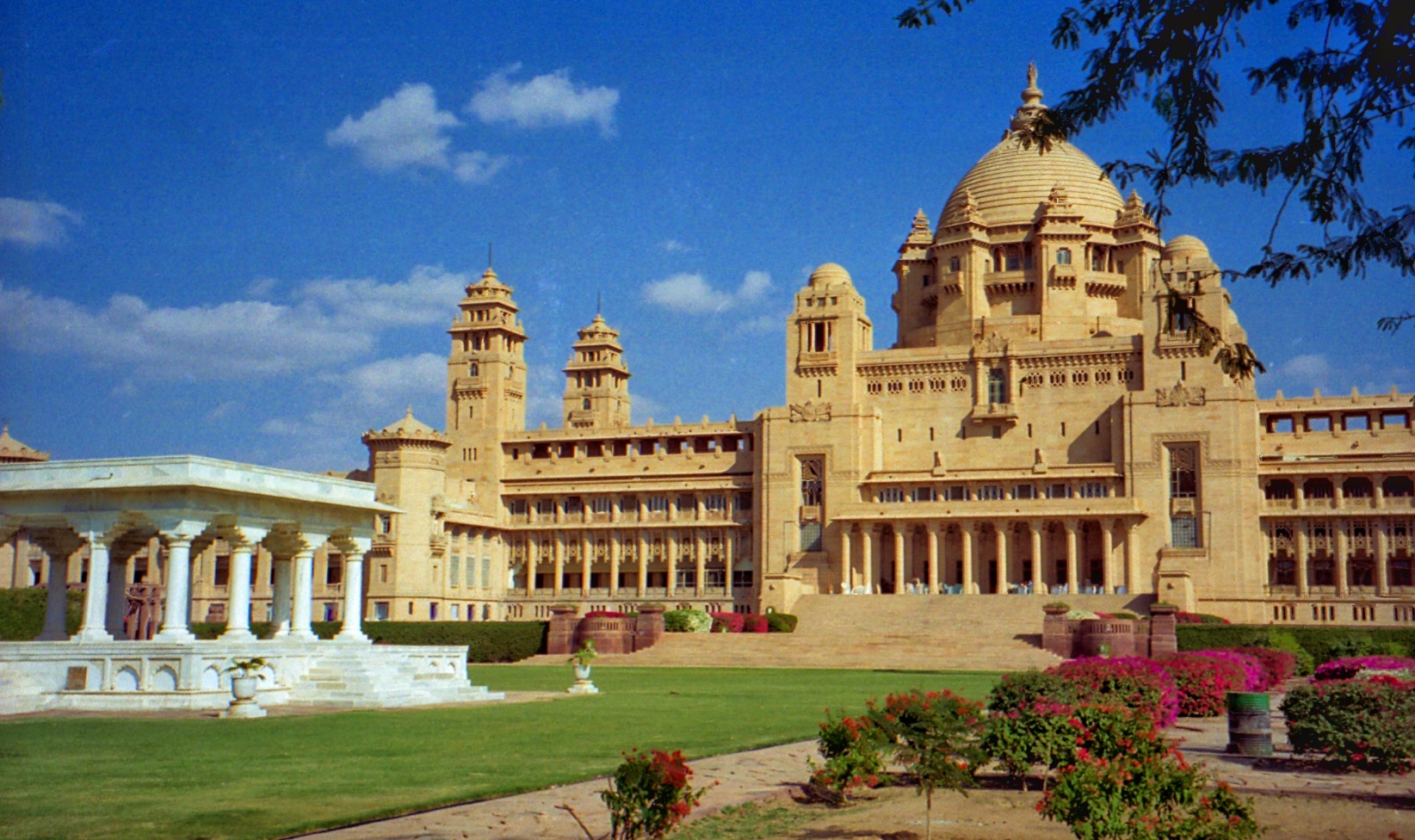
GT + Jodhpur Sun City

Wildlife & Wonders

GT + Udaipur Romance
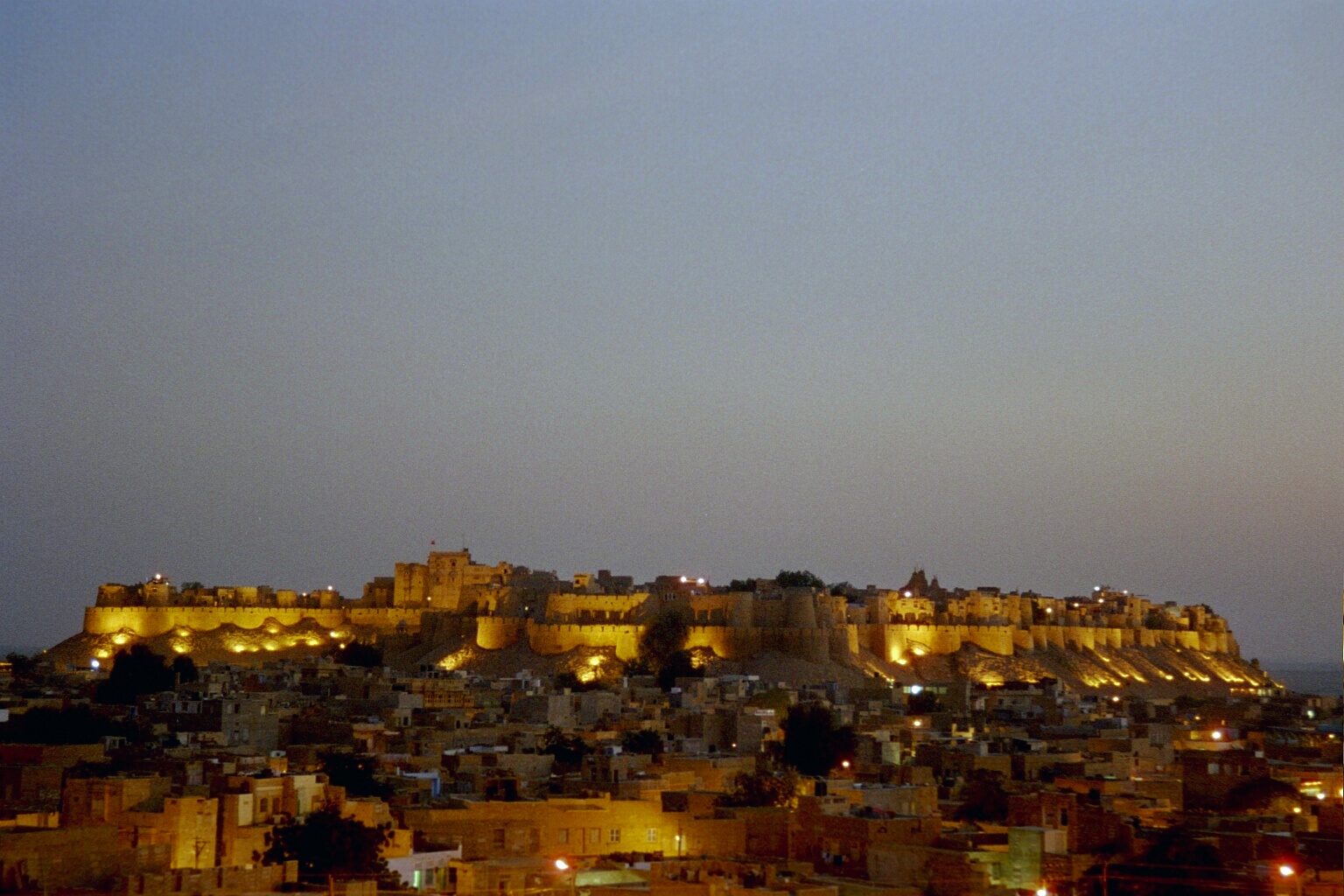
Desert & Palaces
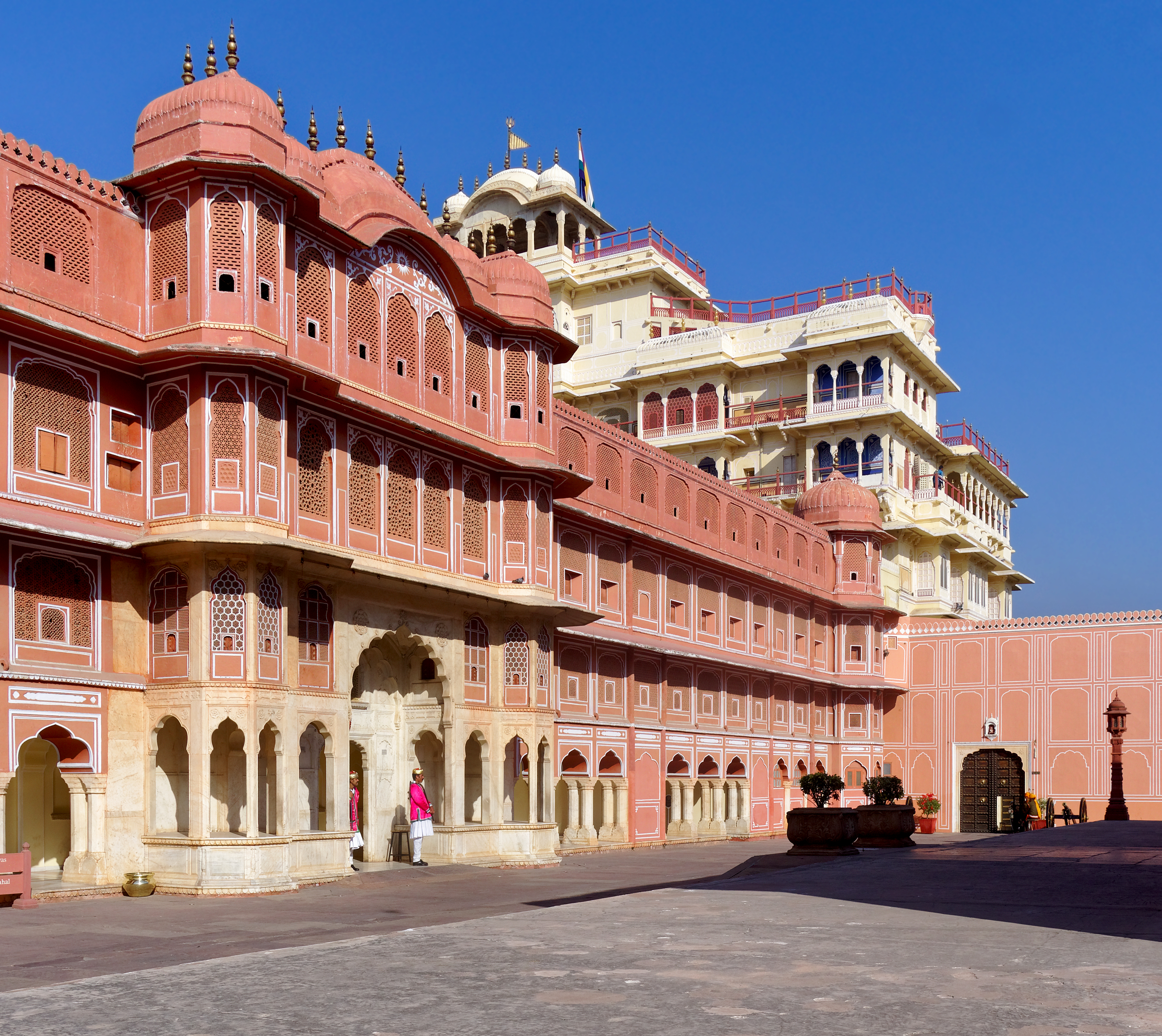
The Maharaja Circuit
Good to know
Ajmer, your questions
Who was Khwaja Moinuddin Chishti?
A 12th-13th century Sufi mystic of the Chishti order who settled in Ajmer and taught a doctrine of universal brotherhood. He is venerated by Muslims, Hindus, and others; every Mughal emperor visited his shrine after his death.
What is the Urs at Ajmer?
The annual commemoration of Chishti's death anniversary, observed on the 6th of Rajab (Islamic calendar). It draws hundreds of thousands of pilgrims; we plan around it depending on whether the crowd is part of the visit or to be avoided.
What is the dress code at the dargah?
Modest dress; heads covered (we provide scarves). Shoes removed at the entry; photography may be restricted in inner sanctums. Our local escort briefs the protocol before entry.
How long do I need in Ajmer?
A half-day covers the dargah and Adhai Din Ka Jhonpra; a full day adds Taragarh, Ana Sagar, and Mayo College. Most travellers visit as a day-trip from a Pushkar base.
Is Ajmer safe?
Yes, it is a major pilgrimage city with extensive crowd management. We use a vetted escort to manage the dargah crowd and ensure respectful, secure access.


Plan with us
Design a private journey through Ajmer.
Tell us your dates and what you love. Our travel desk builds a private, chauffeured itinerary around Ajmer and the wider Rajasthan Escapes, with handpicked hotels and a transparent quote, usually within a few hours.
Related journeys
Plan your trip
Plan your Ajmer trip
Free, no obligation quote. Your details stay private.