
Nagpur
Orange City at the Centre of India
Overview
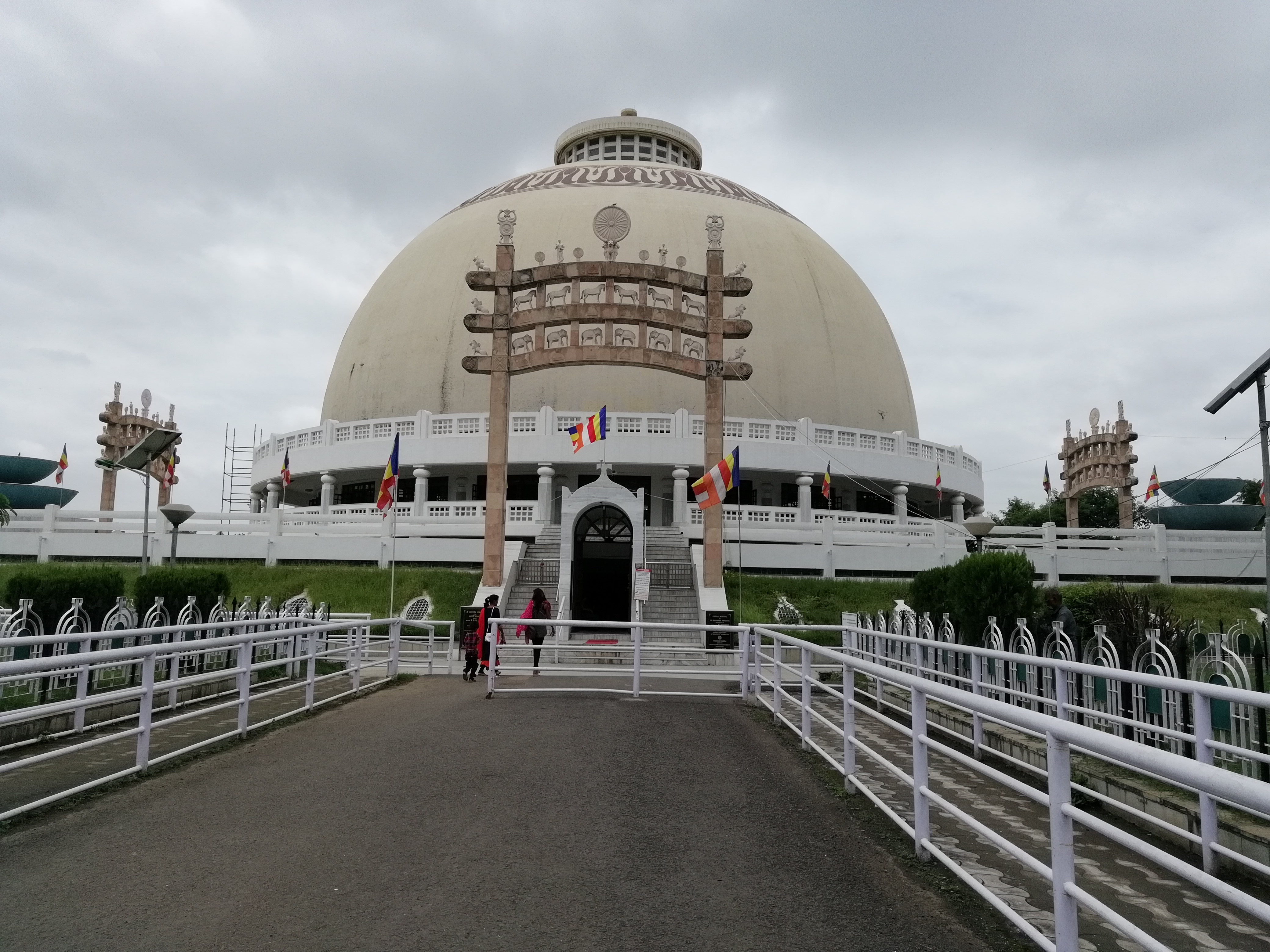
Nagpur is the largest city of Maharashtra's Vidarbha region and the state's designated winter capital, sitting almost exactly at the geographical centre of India, a point marked by the colonial-era Zero Mile Stone. Long known as the 'Orange City' for its citrus trade, it is also a place of deep modern significance: Deekshabhoomi, where Dr B.R. Ambedkar embraced Buddhism with hundreds of thousands of followers in 1956, is crowned by one of Asia's largest hollow stupas. Nagpur is India's tiger gateway, the staging point for Tadoba, Pench, and Nagzira. MyTripMyTravel runs it as a central-India hub, heritage, wildlife transfers, and fiery Saoji cuisine.
Nagpur is the great pivot of the Indian map. The Zero Mile Stone, a sandstone pillar raised by British surveyors, was long treated as the geographical centre of the country, and the city has carried that sense of being India's crossroads ever since, a Deccan junction where the north, south, east, and west of the subcontinent meet by road and rail. It is the largest city of Vidarbha, eastern Maharashtra, and the state's winter capital, where the legislature holds its cold-season session.
Its best-known name, the 'Orange City', comes from the citrus orchards of the surrounding region and the trade that made Nagpur oranges famous across India. But the city's most powerful landmark is Deekshabhoomi, the sacred ground where, in October 1956, Dr B.R. Ambedkar and an ocean of followers converted to Buddhism, an event that reshaped modern Indian social history. The vast white stupa built there, among the largest hollow stupas in Asia, draws pilgrims in enormous numbers each Dhamma Chakra Pravartan Din. Older layers survive too, from the hilltop Sitabuldi Fort to Ramtek, the temple town linked to the poet Kalidas an hour to the north.
For most luxury travellers, though, Nagpur is India's tiger capital, the natural gateway to a ring of central-India reserves including Tadoba-Andhari, Pench, Nagzira, and Umred-Karhandla. MyTripMyTravel runs the city as a well-oiled hub: smooth airport handovers, chauffeured transfers out to the forests, city heritage where it counts, and an honest introduction to Nagpur's ferociously spiced Saoji cuisine.
At a glance
Nagpur in brief
When to visit
October to March
October to March is the comfortable window, with cool, clear days ideal for the city and for the winter tiger season in the nearby reserves. The Dhamma Chakra Pravartan Din gathering at Deekshabhoomi, around Vijayadashami in October, brings vast, moving crowds. Summer (April to June) is genuinely hot on the central Indian plateau, often above 42°C, though this is paradoxically the finest time for tiger sightings, when animals concentrate at shrinking waterholes. The monsoon (July to September) greens the region but closes the core forest zones.
Things to do
Experiences in Nagpur
Deekshabhoomi
The sacred site of Dr Ambedkar's 1956 conversion to Buddhism, marked by one of Asia's largest hollow stupas.
Zero Mile Stone
The colonial survey pillar long regarded as the geographical centre of India, at the heart of the city.
Tadoba tiger safari
Chauffeured transfer to central India's premier tiger reserve, roughly three hours south, for morning and evening drives.
Ramtek & Khindsi
The hilltop temple town linked to the poet Kalidas, an hour north, paired with the lakeside calm of Khindsi.
Sitabuldi Fort
The hilltop fort at the city's centre, site of a decisive 1817 battle, offering a wide view over Nagpur.
Saoji food trail
An escorted tasting of Nagpur's legendarily fiery Saoji mutton curries, one of India's boldest regional cuisines.
Getting there
How to reach Nagpur
Dr Babasaheb Ambedkar International Airport (NAG) is well-connected to Delhi, Mumbai, and the south; we manage fleet handover on arrival.
Nagpur Junction is one of India's busiest rail hubs, central to almost every north to south and east to west line; we handle station transfers.
The Samruddhi Expressway now links Nagpur to Aurangabad and Mumbai; NH routes fan out to Tadoba, Pench, and the wider Deccan.
Our chauffeured, GPS-tracked fleet runs the long forest transfers to the tiger reserves and the city heritage circuit in comfort.
Where to stay
The city's best contemporary hotels, with full facilities, ideal as a launch base for the wildlife circuit.
Premium jungle lodges and tented camps out at Tadoba and Pench, positioned for dawn safari departures.
Well-run character stays in the city for guests focused on Deekshabhoomi, Ramtek, and the Vidarbha heartland.
Where to eat
Nagpur's signature fiery, dark, spice-heavy mutton and chicken curries, tasted at the city's landmark Saoji bhojanalayas.
The robust regional thali of the eastern Deccan, bhakri, varan, and pungent chutneys, at a classic dining hall.
The famous santra (orange) in season, plus orange barfi and local sweets from the old city's confectioners.
Good to know
Nagpur, your questions
Is Nagpur really the centre of India?
Historically, yes, the Zero Mile Stone was set up by British surveyors as a reference point long treated as the country's geographical centre, and it remains a defining civic landmark. The precise centroid is debated, but Nagpur's identity as India's crossroads is well earned.
What is Deekshabhoomi?
It is the sacred ground where Dr B.R. Ambedkar and hundreds of thousands of followers converted to Buddhism in 1956, a landmark moment in modern Indian history. The great white stupa there is among the largest hollow stupas in Asia and a major pilgrimage site.
Can I see tigers from Nagpur?
Yes, Nagpur is the best air gateway to central India's tiger country. Tadoba-Andhari is about three hours away, and Pench and Nagzira are closer still. We arrange the transfers, lodges, and safari permits as a seamless wildlife leg.
How spicy is Saoji food, really?
Very. Saoji cuisine is one of India's fieriest regional styles, built on a dark, oil-rich masala. We introduce it thoughtfully, with milder options alongside, so guests can taste the tradition without being overwhelmed.
When should I visit for wildlife?
October to March is most comfortable overall, but the hot April-to-June months offer the highest chance of tiger sightings as animals gather at waterholes. The core forests close during the monsoon.
Continue exploring
Pairs well with Nagpur


Plan with us
Design a private journey through Nagpur.
Tell us your dates and what you love. Our travel desk builds a private, chauffeured itinerary around Nagpur and the wider West India, with handpicked hotels and a transparent quote, usually within a few hours.
Related journeys
Plan your trip
Plan your Nagpur trip
Free, no obligation quote. Your details stay private.