
Pachmarhi
The Queen of the Satpura
Overview
Pachmarhi is the only hill station in Madhya Pradesh, central India, set in the forested Satpura Range and containing the state's highest point, Dhupgarh, at about 1,352 m. Known as the 'Queen of the Satpura', it was developed as a British hill retreat in the 1850s and remains a cantonment town. It sits within the Pachmarhi Biosphere Reserve, a UNESCO-recognised zone including Satpura National Park, and is ringed by waterfalls, ancient rock-cut caves, and Shaiva pilgrimage peaks. The nearest railhead is Pipariya (≈ 50 km). MyTripMyTravel runs Pachmarhi as a cool-climate nature-and-heritage retreat.
Pachmarhi is central India's green secret, a plateau of sandstone gorges, waterfalls, and dense sal and teak forest cradled in the Satpura hills, and the only true hill station in Madhya Pradesh. Its cool climate, colonial cantonment air, and encircling wilderness make it a natural counterpoint to the plains' heat and temples.
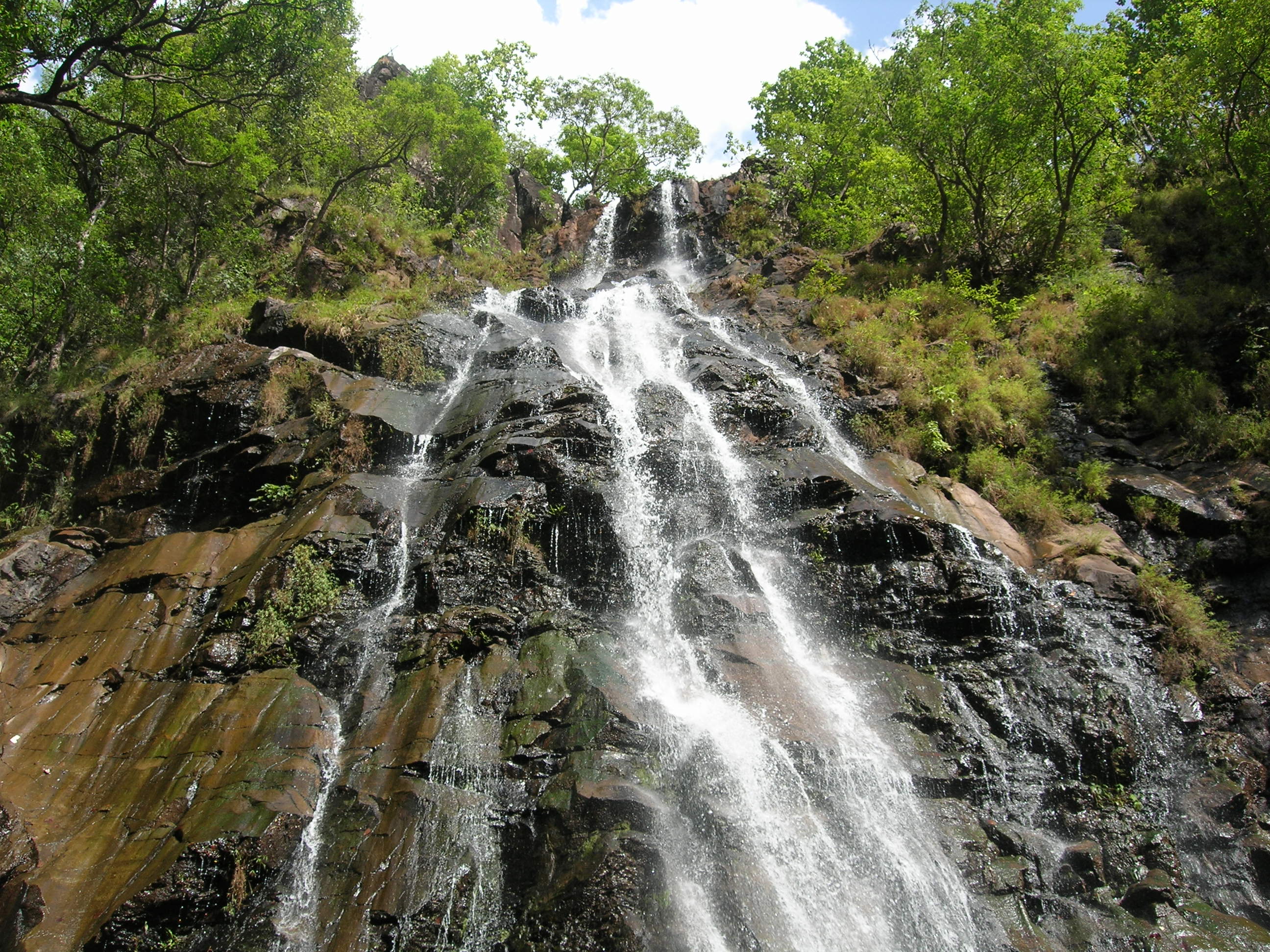
The town owes its modern form to a British officer who reached the plateau in 1857 and turned it into a hill retreat and military station; churches, bungalows, and a lake still carry that legacy. But Pachmarhi's deeper draw is its landscape and its layered spirituality. Waterfalls, the popular Bee Falls and the tall Rajat Prapat, or Silver Falls, thread the plateau; ancient rock-cut caves such as the Pandava Caves and Jata Shankar carry Hindu and Buddhist associations; and the peak of Chauragarh, hung with thousands of tridents, remains an important Shaiva pilgrimage, especially at Mahashivratri.
Ringing it all is the Pachmarhi Biosphere Reserve, a UNESCO-recognised conservation zone including Satpura National Park, with tiger, leopard, and rich forest life explored by jeep and boat. MyTripMyTravel runs Pachmarhi at hill-station pace: viewpoints timed for sunrise and sunset, guided walks to the falls and caves, and a wildlife leg in the Satpura forest, all from a comfortable, cool-air base.
At a glance
Pachmarhi in brief
When to visit
October to June
Pachmarhi's elevation keeps it pleasant for much of the year. October to February is cool and clear, ideal for waterfalls, viewpoints, and forest safaris, with crisp winter mornings. March to June is the popular summer-escape season, noticeably cooler than the baking plains below. The monsoon (July to September) turns the plateau lush and the falls to full spate but can make trails slippery and some forest areas inaccessible; the drier months are best for active exploring.
Things to do
Experiences in Pachmarhi
Dhupgarh sunset
The highest point in Madhya Pradesh, with sweeping Satpura ridgelines best seen at sunrise or sunset.
Bee Falls (Jamuna Prapat)
A popular cascade and bathing pool reached by a short escorted forest descent.
Pandava Caves
Ancient rock-cut chambers set in a garden hillside, linked in legend to the Mahabharata exile.
Chauragarh pilgrimage peak
A Shaiva summit hung with thousands of tridents, a major draw at the Mahashivratri fair.
Satpura National Park safari
Jeep and boat safaris in the biosphere reserve for tiger, leopard, and rich forest wildlife.
Handi Khoh & forest treks
The deep ravine viewpoint and guided walks through the plateau's gorges and streams.
Getting there
How to reach Pachmarhi
The nearest railhead is Pipariya (≈ 50 km) on the Mumbai to Howrah line; we manage the scenic road climb to the plateau.
The nearest airports are Raja Bhoj at Bhopal (BHO ≈ 200 km) and Jabalpur (JLR); we arrange fleet handover and the onward drive.
The chauffeured leg from Pipariya winds up into the Satpura hills; from Bhopal it is roughly 4 to 5 hours.
Our GPS-tracked vehicles handle the hill approach; in-park movement uses the reserve's permitted safari jeeps and boats.
Where to stay
Heritage cantonment-era bungalows and lodges with gardens and cool-climate charm.
Full-service resorts on the plateau with spa options and easy access to viewpoints and falls.
Well-kept mid-scale stays for guests using Pachmarhi mainly as a nature and safari base.
Where to eat
The plateau's resorts serve dependable Indian and continental menus suited to a relaxed hill stay.
The town's long-standing cafés and eateries for hearty, simple meals between excursions.
Homely central-Indian vegetarian thalis reflecting the region's plains-and-forest cooking.
Go deeper
More on Pachmarhi
Good to know
Pachmarhi, your questions
What makes Pachmarhi special?
It is the only hill station in Madhya Pradesh and the state's highest point, combining a cool climate, colonial cantonment character, waterfalls and caves, and the wildlife of the Satpura Biosphere Reserve in one plateau.
How many nights should I plan?
Two nights is ideal, giving time for the viewpoints and waterfalls, the caves and Chauragarh, and a Satpura National Park safari without rushing.
How do I reach Pachmarhi?
The nearest railhead is Pipariya, about 50 km away, from which we drive up to the plateau. The nearest airports are Bhopal and Jabalpur, with our fleet handling the transfer.
Is there wildlife at Pachmarhi?
Yes. It sits within the Pachmarhi Biosphere Reserve, and Satpura National Park offers jeep and boat safaris for tiger, leopard, and abundant birdlife, though sightings are never guaranteed in wild habitat.
Is Pachmarhi good in summer?
Very much so. Its elevation keeps it markedly cooler than the central-Indian plains, which is exactly why it was developed as a hill retreat. April to June is a popular summer-escape season.
Can Pachmarhi be combined with Bhopal?
Yes. It is roughly 4 to 5 hours from Bhopal by road, making it a natural cool-climate extension after the city, Sanchi, and Bhimbetka.
Continue exploring
Pairs well with Pachmarhi


Plan with us
Design a private journey through Pachmarhi.
Tell us your dates and what you love. Our travel desk builds a private, chauffeured itinerary around Pachmarhi and the wider Central India, with handpicked hotels and a transparent quote, usually within a few hours.
Related journeys
Plan your trip
Plan your Pachmarhi trip
Free, no obligation quote. Your details stay private.