

Tsomgo Lake
The Sacred Glacial Lake on the Old Silk Route
Overview
Tsomgo Lake, also called Changu Lake, is a glacial lake in East Sikkim, India, set at around 3,753 metres on the old Silk Route road from Gangtok toward the Nathula Pass and the China border. Roughly 40 km from Gangtok, it is sacred to the Sikkimese, freezes over in winter, and reflects the surrounding snow peaks in spring and autumn. Because it lies in a sensitive border zone, all visitors, including Indians, need a Protected Area Permit, and foreigners face additional restrictions. It is high-altitude and weather-dependent, and is visited as a day trip. MyTripMyTravel runs Tsomgo as a permitted high-mountain excursion from Gangtok.
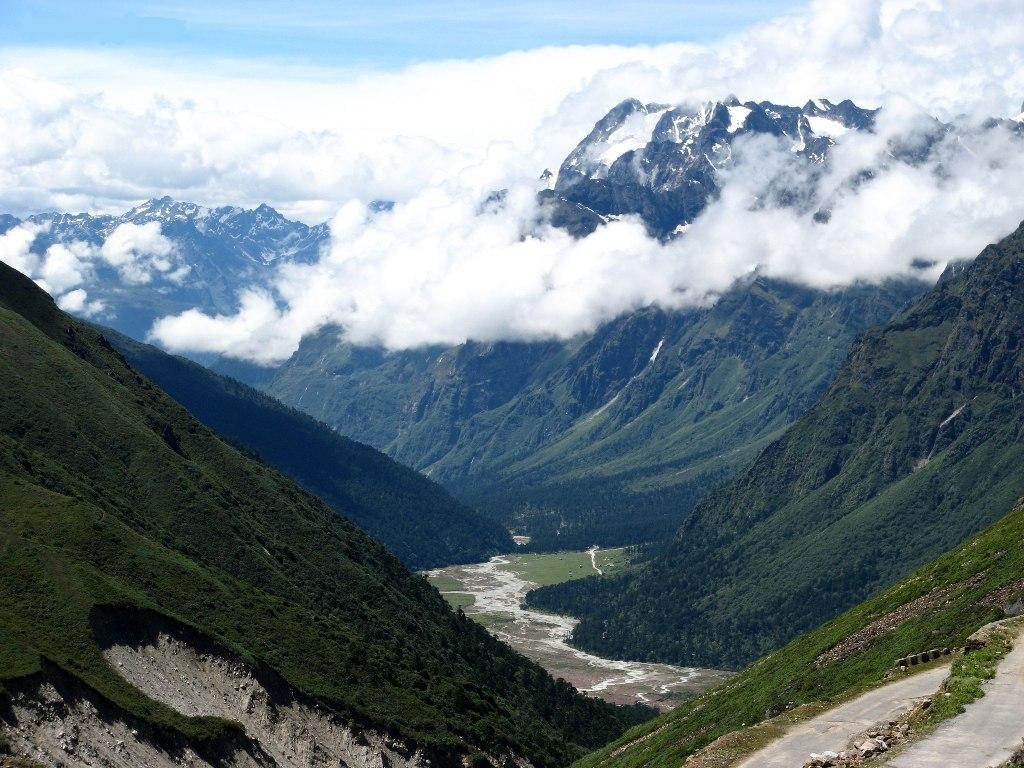
Tsomgo Lake, its name means 'source of the lake' in Bhutia, and it is also widely known as Changu, is one of the most beautiful and revered high lakes of Sikkim. It lies about 40 km east of Gangtok, high on the old trade road that once carried the Silk Route caravans up toward the Nathula Pass and Tibet, at an altitude of roughly 3,753 metres. Oval and glacier-fed, the lake is sacred to the Sikkimese people and to the Buddhist and Hindu faithful alike, and its moods shift dramatically with the seasons: frozen and snow-rimmed in the depths of winter, mirror-still and ringed with rhododendrons and primulas in spring, and a clear alpine blue in autumn.
There are two important practicalities to understand before planning a visit, and we are candid about both. First, Tsomgo sits within a sensitive zone near the international border, so every visitor requires a Protected Area Permit, including Indian citizens, and foreign nationals face additional restrictions and cannot always proceed to the lake or beyond to Nathula. These permits are arranged a day in advance through registered operators, which we manage. Second, this is genuine high-altitude travel: the thin air at nearly 3,800 metres affects many people, and the mountain road can be closed at short notice by snow, landslides, or weather. Tsomgo is therefore visited as a day trip from Gangtok, not stayed at.
On the banks, yaks and ponies wait to be ridden, small stalls sell hot tea and snacks against the cold, and a short way on stands the shrine of Baba Harbhajan Singh, a soldier venerated in local army lore. MyTripMyTravel runs Tsomgo as a permitted high-mountain excursion from Gangtok, with the permits handled, an altitude-aware, weather-flexible plan, warm vehicles and seasoned mountain chauffeurs, and honest guidance on what the conditions and regulations allow on the day.
At a glance
Tsomgo Lake in brief
When to visit
October to May
There are two rewarding windows. From December to February the lake often freezes over and the whole basin is under snow, dramatic and photogenic, though bitterly cold and dependent on the road staying open. From around March to May the ice thaws and the banks bloom with rhododendrons and primulas, while October and November bring crisp, clear air and fine reflections. The monsoon from June to September brings cloud, rain, and a real risk of landslides on the mountain road, and is best avoided. Conditions can change fast at this altitude, so we keep the plan flexible.
Things to do
Experiences in Tsomgo Lake
The lakeside
Walk the shore of the sacred glacial lake, frozen in winter and mirror-still in spring and autumn beneath the snow peaks.
Yak & pony rides
The traditional decorated yaks and ponies waiting on the banks, a classic, if touristy, high-mountain experience.
Baba Harbhajan Singh Mandir
The nearby shrine to a soldier venerated in Indian Army lore, a short drive on from the lake.
Silk Route mountain drive
The spectacular ascent from Gangtok along the old caravan road toward the passes, a highlight in itself.
Nathula Pass extension
For eligible Indian visitors with the extra permit, the onward drive to the Nathula Pass on the China border.
Alpine flora & birdlife
The rhododendrons, primulas, and Brahminy ducks that gather at the lake in the spring season.
Getting there
How to reach Tsomgo Lake
The only approach is the chauffeured mountain drive of about 2 to 2.5 hours from Gangtok up the old Silk Route road, visited as a day trip, with the permit arranged the day before.
Pakyong (PYG) is Sikkim's own airport and Bagdogra (IXB) the larger gateway; both connect to Gangtok, from where the lake excursion begins. We manage the handover.
New Jalpaiguri (NJP), near Siliguri, is the nearest major railhead; the journey to Gangtok and onward to the lake is by road, which we handle.
Hill-capable vehicles with experienced high-altitude chauffeurs are essential; our fleet runs the permitted Gangtok to Tsomgo excursion with GPS tracking.
Where to stay
Tsomgo has no lodging; the base is a luxury or boutique hotel in Gangtok, from which the lake is a day excursion.
Design-led mountain hotels in and around Gangtok with valley and, on clear days, snow-peak views.
Well-run comfortable hotels in central Gangtok, convenient for early permitted departures to the lake.
Where to eat
Hot tea, instant noodles, and momos from the simple high-altitude stalls on the banks, welcome against the cold.
Back in Gangtok, the celebrated Sikkimese dumplings and noodle soups at the town's better kitchens.
Gundruk, fermented greens, and warming local plates at Gangtok's restaurants after the mountain day.
Go deeper
More on Tsomgo Lake
Ready to book
Itineraries featuring Tsomgo Lake
Private, chauffeured, day-by-day journeys that feature Tsomgo Lake or explore the wider Sikkim, each fully customisable, or built around your dates.

Sikkim Silk Route

Meghalaya Monsoon Mist
Sikkim Silk Route Premium
Good to know
Tsomgo Lake, your questions
Do I need a permit for Tsomgo Lake?
Yes, because Tsomgo lies in a sensitive border zone, every visitor needs a Protected Area Permit, including Indian citizens. Foreign nationals face additional restrictions and cannot always proceed to the lake or on to Nathula. Permits are arranged a day in advance through registered operators, which we handle for our guests.
How high is Tsomgo Lake, and is altitude a concern?
The lake sits at around 3,753 metres, so the thin air affects many visitors. We keep the day gentle, advise on acclimatising in Gangtok first, and plan realistically; guests with heart or breathing conditions should tell us in advance so we can adapt.
Can I stay overnight at the lake?
No. Tsomgo has no accommodation and lies in a restricted high-altitude border zone, so it is always visited as a day trip from Gangtok, about 2 to 2.5 hours away by mountain road. We build it as a permitted day excursion.
When does Tsomgo Lake freeze?
The lake typically freezes over in the depths of winter, roughly December to February, when the whole basin is under snow, spectacular but very cold and dependent on the road remaining open. Spring brings blooms on the banks, and autumn brings clear reflections of the peaks.
Can I continue to Nathula Pass from Tsomgo?
Sometimes. Eligible Indian visitors can, with an additional permit and if conditions allow, continue up the old Silk Route to the Nathula Pass on the China border. Foreign nationals are generally not permitted to Nathula. We advise honestly on what the day's permits and weather allow.
Continue exploring
Pairs well with Tsomgo Lake


Plan with us
Design a private journey through Tsomgo Lake.
Tell us your dates and what you love. Our travel desk builds a private, chauffeured itinerary around Tsomgo Lake and the wider Sikkim, with handpicked hotels and a transparent quote, usually within a few hours.
Related journeys
Plan your trip
Plan your Tsomgo Lake trip
Free, no obligation quote. Your details stay private.