

Badrinath
Vishnu's Char Dham Abode Below Neelkanth
Overview
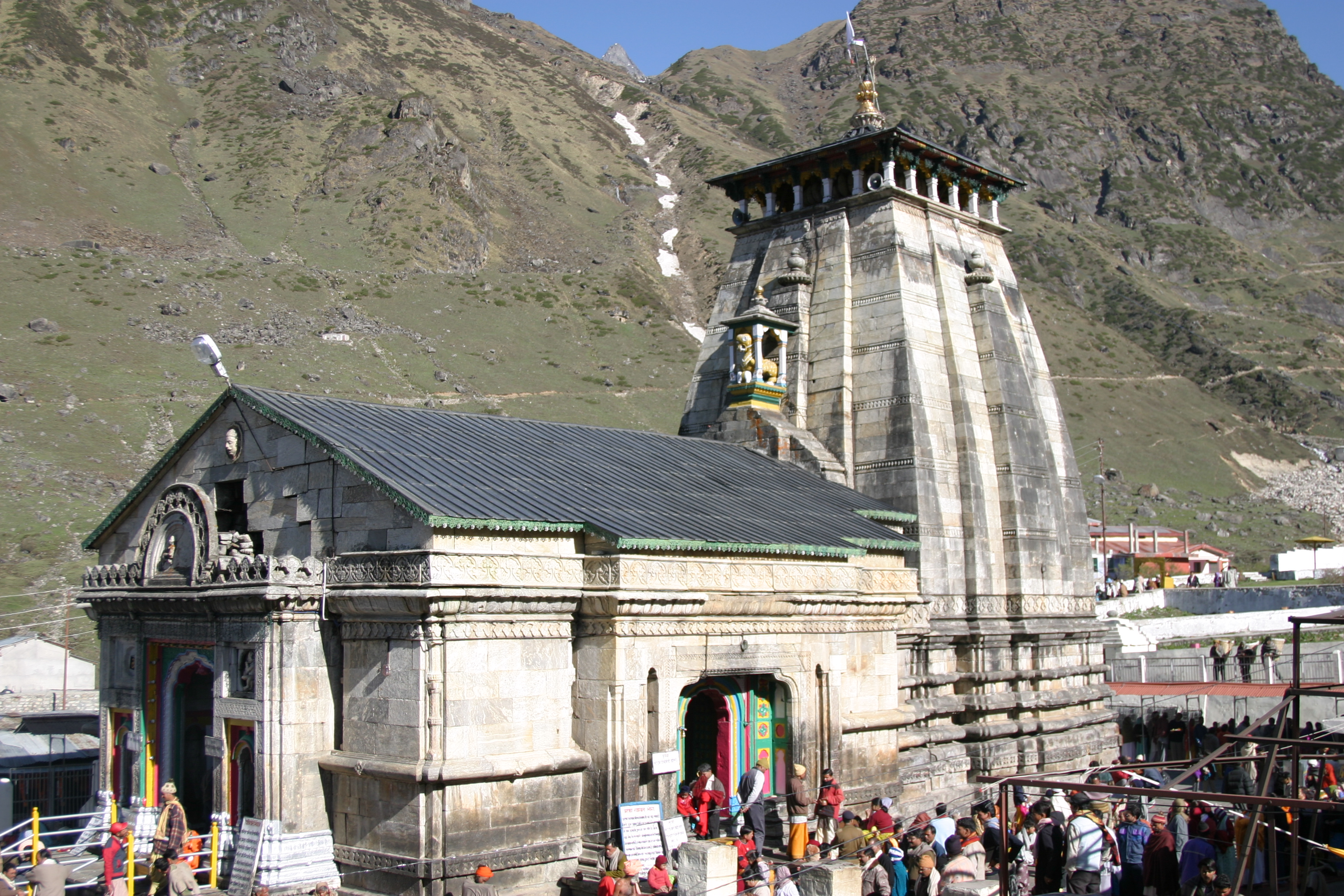
Badrinath is one of the Char Dham of Uttarakhand and one of Vaishnavism's 108 Divya Desams, a temple to Vishnu as Badrinarayan standing at about 3,133 m on the Alaknanda river in Chamoli district, below the Neelkanth peak. Traditionally linked to Adi Shankaracharya, its brightly painted facade and the hot Tapt Kund spring below it are landmarks of the pilgrimage. Unlike Kedarnath and Yamunotri, Badrinath is reached by motorable road right up to the temple. It opens seasonally from around late April or May to Nov. Nearby Mana, near the Tibet border, is celebrated as a last Indian village. MyTripMyTravel operates it as a chauffeured high-altitude pilgrimage.
Badrinath is the northernmost and, in some ways, the most accessible of the Garhwal Char Dham. The temple sits at about 3,133 m in a dramatic bowl on the banks of the Alaknanda, its vividly painted gateway framed against the snow pyramid of Neelkanth. Dedicated to Vishnu as Badrinarayan, worshipped as a black saligram-stone image said to have been established by Adi Shankaracharya, it is one of the holiest Vaishnava sites in India and one of the 108 sacred Divya Desams.
The setting mixes pilgrimage and warmth in a literal sense: below the temple steps, the Tapt Kund hot spring lets devotees bathe in naturally heated sulphur water before darshan, an unusual comfort at this altitude. Just beyond the town, at about 3,200 m, lies Mana, long promoted as one of the last villages before the Tibet border, with its cave associated with the sage Vyas, the Bhim Pul rock bridge, and the point where the Saraswati stream roars into the Alaknanda.
MyTripMyTravel runs Badrinath as a comfortable but honest high-altitude pilgrimage. Crucially, unlike Kedarnath and Yamunotri, the road reaches the temple itself, so there is no compulsory trek, a major advantage for many travellers. Even so, this is a high, seasonal shrine open only from roughly late April or May to Nov, with cold nights, thin air, and weather-prone approach roads through Joshimath. We stage the drive with daylight timing, build in acclimatisation, and pair it naturally with nearby Auli and the Valley of Flowers season.
At a glance
Badrinath in brief
When to visit
May to June, September to October
Badrinath opens only for a seasonal window, usually from around late April or May to Nov, closing for winter when snow seals the valley and the deity's worship moves to Joshimath's Narsingh temple. May to June offers the most settled early-season weather and long days, coinciding with the peak pilgrim season. September to October, after the monsoon, gives cool, clear, stable conditions and superb views of Neelkanth. The monsoon months of July and August bring heavy rain and a real risk of landslides and roadblocks on the Joshimath approach, so we generally avoid them. Nights are cold year-round at this altitude, and warm layers are essential even in summer.
Things to do
Experiences in Badrinath
Badrinath temple darshan
Worship at the vividly painted Vishnu shrine on the Alaknanda, the spiritual heart of the visit and one of India's holiest Vaishnava sites.
Tapt Kund hot spring
A naturally hot sulphur spring below the temple steps where pilgrims bathe before darshan, a warming ritual at high altitude.
Mana village
The photogenic border village just beyond Badrinath, celebrated as a last Indian settlement, with Garhwali homes, weavers, and mountain trails.
Vyas Gufa & Bhim Pul
At Mana, the cave linked to the sage Vyas and the natural rock bridge over the roaring Saraswati stream, sites woven through the Mahabharata legend.
Charan Paduka & viewpoints
A short uphill walk to a rock bearing Vishnu's footprint impression, with sweeping views over the temple town and Neelkanth.
Neelkanth peak vistas
Dawn views of the pyramidal Neelkanth summit glowing above the valley, one of the great sights of the Garhwal Himalaya.
Getting there
How to reach Badrinath
Jolly Grant Airport (DED) near Dehradun is the nearest, about 320 km, with good domestic links; we manage the fleet handover for the long mountain drive.
Rishikesh and Haridwar are the nearest railheads, roughly 290 to 320 km away and well connected to Delhi; we handle the onward Garhwal transfer.
The chauffeured drive runs via Rudraprayag, Karnaprayag, and Joshimath right up to the temple; it is a long, winding route best split with daylight timing.
Our GPS-tracked, orthopedic-grade vehicles cover the full Garhwal drive to the temple town, since the road reaches Badrinath itself with no compulsory trek.
Where to stay
The better hotels and guesthouses in Badrinath town and nearby, walkable to the temple, simple but adequate, and booked well ahead in season.
More equipped hotels at Joshimath, lower down, used as the staging comfort base before and after the high pilgrimage.
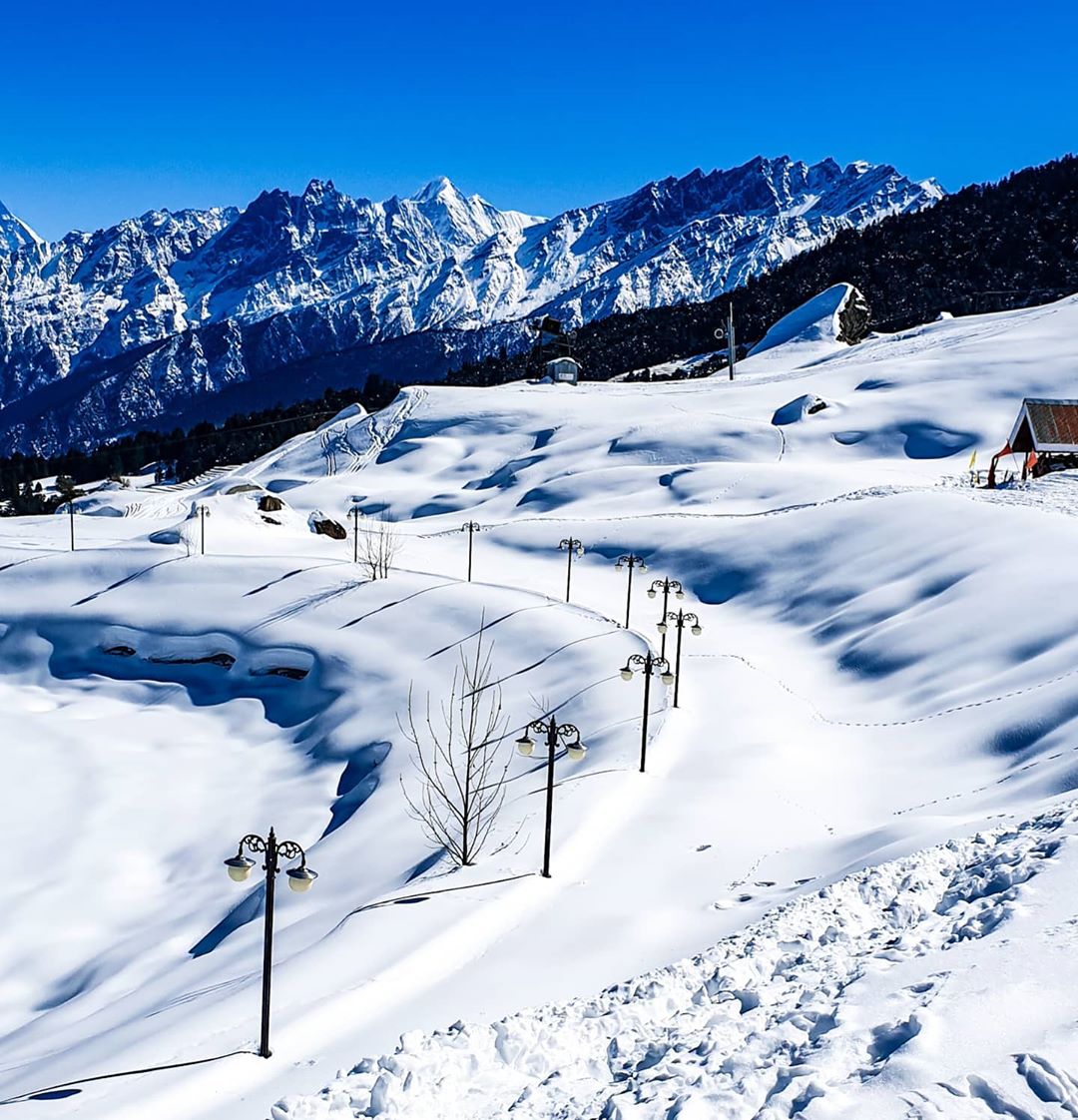
Higher-comfort resorts at nearby Auli, with meadow and peak views, ideal to bookend the pilgrimage with rest and mountain scenery.
Where to eat
Dining in Badrinath is simple, hot, and strictly vegetarian, dal, rice, roti, khichdi, and endless chai to warm you at altitude.
Charitable kitchens and bhandaras near the shrine serve free, warming sattvic food to pilgrims through the season.
At Joshimath and along the route, regional dishes such as mandua roti, jhangora, and gahat dal offer hearty mountain nourishment.
Go deeper
More on Badrinath
Good to know
Badrinath, your questions
Do I have to trek to reach Badrinath?
No. Unlike Kedarnath and Yamunotri, the road runs right up to the Badrinath temple, so there is no compulsory trek. This makes it the most accessible of the four Garhwal shrines, though it remains a high, cold, seasonal destination.
When is Badrinath open?
Only for a seasonal window, usually from around late April or May to Nov, closing for winter when the valley is snowbound and worship moves to Joshimath. We plan the visit strictly around the temple's opening dates and road conditions.
What is special about Mana village?
Mana, just beyond Badrinath near the Tibet border, is celebrated as one of the last Indian villages and is rich in Mahabharata legend, the Vyas cave, Bhim Pul, and the Saraswati stream. It makes a rewarding short excursion, which we build in.
Is the Tapt Kund spring worth it?
Yes, the naturally hot sulphur spring below the temple steps lets pilgrims bathe in warm water before darshan, a memorable and welcome ritual at over 3,000 m. It is a customary part of the Badrinath visit.
Can I combine Badrinath with Auli or the Valley of Flowers?
Easily. Auli's ski meadows share the Joshimath approach, and the Valley of Flowers season overlaps the Char Dham window nearby. We routinely combine them into a single Garhwal itinerary with proper acclimatisation.

Plan with us
Design a private journey through Badrinath.
Tell us your dates and what you love. Our travel desk builds a private, chauffeured itinerary around Badrinath and the wider North India, with handpicked hotels and a transparent quote, usually within a few hours.
Related journeys
Plan your trip
Plan your Badrinath trip
Free, no obligation quote. Your details stay private.