
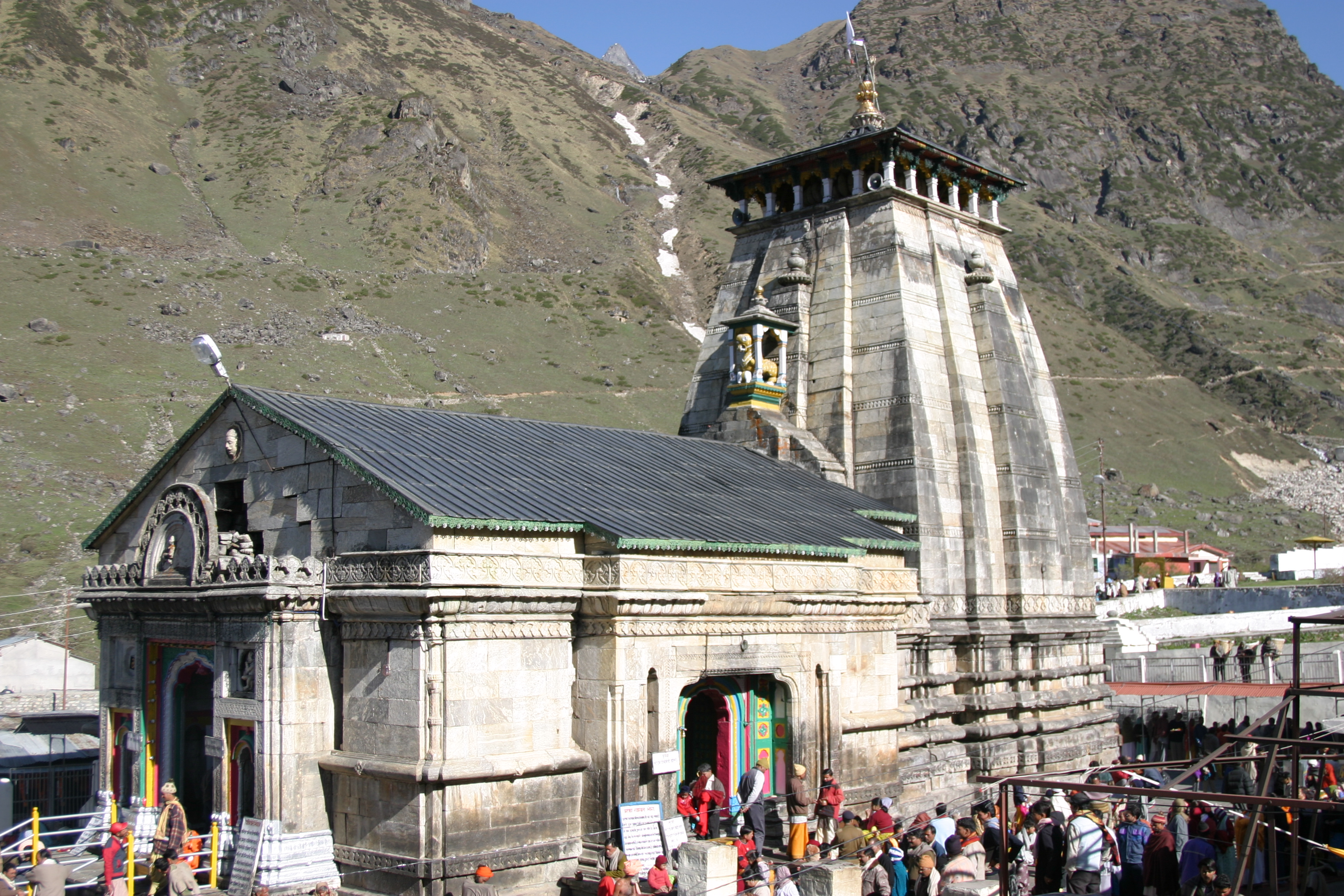
Kedarnath
A Jyotirlinga Shrine at the Head of the Mandakini
Overview
Kedarnath is one of the Char Dham of Uttarakhand and among the twelve Jyotirlingas of Shiva, a stone temple standing at about 3,583 m in Rudraprayag district near the head of the Mandakini valley, below the Kedarnath and Chorabari peaks. Traditionally linked to the Pandavas and to Adi Shankaracharya, the shrine is reached by a strenuous trek of roughly 16 to 18 km from Gaurikund, or by pony, palki, or helicopter. It opens only for a seasonal window from around late April or May to Kartik Purnima in Oct or Nov, after which the deity is moved to Ukhimath. MyTripMyTravel operates it as a guided high-altitude pilgrimage.
Kedarnath is the most demanding and, to many, the most powerful of the four Garhwal Char Dham shrines. The grey-stone temple stands alone on a high glacial shelf at about 3,583 m, backed by snow peaks and the Chorabari glacier from which the Mandakini river gathers. One of the twelve Jyotirlingas, it enshrines Shiva in a conical rock form and carries deep layers of legend, the Pandavas are said to have sought Shiva here after the Kurukshetra war, and the temple's revival is traditionally credited to the 8th-century sage Adi Shankaracharya.
Reaching it is a genuine effort. There is no road to the temple; pilgrims trek roughly 16 to 18 km from Gaurikund, above Sonprayag, gaining serious altitude on a long mountain path, or take a pony, a palki (palanquin), or a helicopter shuttle from the valley helipads at Phata, Sersi, or Guptkashi. In 2013 a catastrophic cloudburst and flood devastated the settlement around the shrine, though the temple itself famously survived; the approach has since been rebuilt and remains weather-sensitive.
MyTripMyTravel runs Kedarnath as an honest, carefully staged high-altitude pilgrimage rather than a quick darshan. The shrine opens only for a seasonal window, roughly late April or May to Kartik Purnima in Oct or Nov, and the trek, thin air, and fast-changing weather demand real fitness and acclimatisation. We plan the season and the ascent method to your ability, arrange the chauffeured Garhwal drive to the roadhead, coordinate ponies, palki, or the licensed helicopter option, and stage guides for the walk up.
At a glance
Kedarnath in brief
When to visit
May to June, September to October
Kedarnath opens only for a seasonal window, usually from around Akshaya Tritiya in late April or May to Kartik Purnima in Oct or Nov, and closes entirely in winter when the deity is carried down to Ukhimath. May to June brings the most settled early-season weather and long daylight for the trek, though it is the peak pilgrimage rush. September to October, after the monsoon, offers cool, clear, stable conditions and the sharpest mountain views. The monsoon months of July and August are best avoided, heavy rain makes the high trail slick and raises the real risk of landslides and flash floods on the approach, the very hazard that struck in 2013. Whatever the dates, nights are cold at altitude and weather can turn fast.
Things to do
Experiences in Kedarnath
Kedarnath temple darshan
Worship at the ancient stone Jyotirlinga shrine of Shiva on its high glacial shelf, the culmination of the trek and the heart of the pilgrimage.
Gaurikund to Kedarnath trek
The strenuous roughly 16 to 18 km climb from the Gaurikund roadhead, gaining major altitude through mountain scenery to the shrine.
Adi Shankaracharya Samadhi
The memorial behind the temple to the 8th-century sage traditionally credited with reviving the shrine, rebuilt after the 2013 flood.
Bhairavnath temple
A short steep walk from the main shrine to the temple of Kedarnath's guardian deity, with commanding views over the valley.
Chorabari Tal / Gandhi Sarovar
A high glacial lake a few kilometres above the temple, source of the Mandakini, a demanding acclimatised add-on for the fit.
Helicopter darshan option
In season, licensed helicopter shuttles from Phata, Sersi, or Guptkashi cut the trek for those unable to walk the full climb.
Getting there
How to reach Kedarnath
Jolly Grant Airport (DED) near Dehradun is the nearest, about 240 km from Gaurikund; we manage the fleet handover for the long mountain drive.
Rishikesh and Haridwar are the nearest railheads, roughly 210 to 240 km from Gaurikund and well linked to Delhi; we handle the onward Garhwal transfer.
The chauffeured drive runs via Rudraprayag, Guptkashi, and Sonprayag to the Gaurikund roadhead; from there the shrine is trek, pony, palki, or helicopter only.
Our GPS-tracked, orthopedic-grade vehicles cover the winding Garhwal drive to Gaurikund; the final ascent to the temple is on foot or by pony, palki, or licensed helicopter.
Where to stay
The better-equipped hotels and lodges lower down at Guptkashi, Sitapur, and Sonprayag, used as the comfortable base before and after the trek.
Simple guesthouses, GMVN rest houses, and tented camps near the temple at Kedarnath itself, basic, cold, and heavily demanded, booked well ahead.
Higher-comfort riverside and hillside stays around Rudraprayag or Ukhimath to bookend the pilgrimage with rest and recovery.
Where to eat
Dining on the route and at Kedarnath is simple and vegetarian, dal, rice, roti, khichdi, and hot chai and Maggi to fuel the climb at altitude.
Along the pilgrim path, community bhandaras and charitable kitchens serve free, warming sattvic meals to walkers in season.
At the valley lodges, regional dishes such as mandua roti, jhangora, and gahat dal are cooked fresh, hearty mountain fare for the journey.
Go deeper
More on Kedarnath
Good to know
Kedarnath, your questions
How hard is the trek to Kedarnath?
It is genuinely strenuous, roughly 16 to 18 km of sustained uphill from Gaurikund to about 3,583 m. It demands real fitness and acclimatisation. Ponies, palki (palanquin) porters, and, in season, licensed helicopters offer alternatives, and we plan the method to your ability.
When is Kedarnath open?
Only for a seasonal window, usually from around late April or May to Kartik Purnima in Oct or Nov. In winter the temple closes under snow and the deity's worship moves down to Ukhimath. We plan the visit strictly around the opening calendar and weather.
Can I reach Kedarnath by helicopter?
Yes, in season. Licensed operators run helicopter shuttles from valley helipads at Phata, Sersi, and Guptkashi, which greatly shorten the effort for those unable to trek. Seats are limited and weather-dependent, so we book and buffer carefully.
Is Kedarnath safe after the 2013 floods?
The approach and settlement were rebuilt after the 2013 disaster and the pilgrimage runs normally, but this remains a high, weather-sensitive glacial valley. We travel in the settled seasons, avoid the monsoon, and monitor conditions closely.
How much time should I allow?
Allow at least a full day up and a day down for the trek, plus valley staging nights for acclimatisation and weather buffer, typically two to three nights in the region. Helicopter visits can compress this but still need flexibility for weather.


Plan with us
Design a private journey through Kedarnath.
Tell us your dates and what you love. Our travel desk builds a private, chauffeured itinerary around Kedarnath and the wider North India, with handpicked hotels and a transparent quote, usually within a few hours.
Related journeys
Plan your trip
Plan your Kedarnath trip
Free, no obligation quote. Your details stay private.