

Gangotri
Where the Ganga Descends as the Bhagirathi
Overview
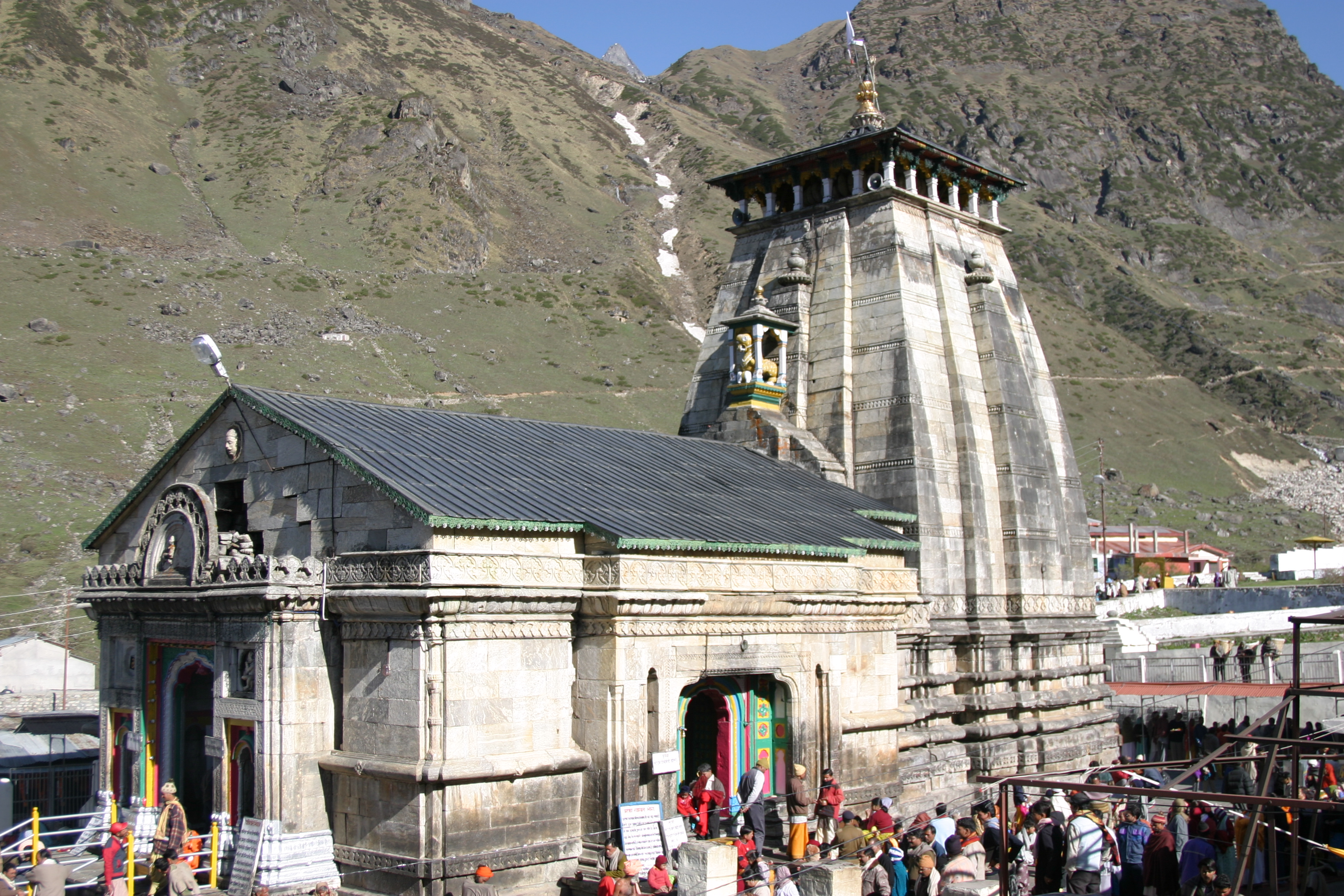
Gangotri is one of the Char Dham of Uttarakhand, the sacred origin place of the Ganga, whose headstream the Bhagirathi is worshipped here at a white temple at about 3,100 m in Uttarkashi district. The 18th-century shrine, built by the Gorkha commander Amar Singh Thapa, honours the goddess Ganga and the legend of King Bhagirath. The actual glacial source lies higher at Gaumukh, the snout of the Gangotri Glacier, reached by a roughly 18 to 19 km trek through Gangotri National Park with a permit. The town is motorable, but the shrine opens only seasonally from around late April or May to Nov. MyTripMyTravel operates it as a chauffeured high-altitude pilgrimage.
Gangotri holds a unique place among the Char Dham: it is the spiritual birthplace of the Ganga, India's most sacred river. Here the river is not yet called the Ganga but the Bhagirathi, named for the mythical king Bhagirath whose penance is said to have drawn the goddess down from heaven to earth. The white marble temple, standing at about 3,100 m beside the rushing Bhagirathi, was built in the 18th century by the Gorkha general Amar Singh Thapa and rebuilt since; near it lie the submerged Shivling rock where Shiva is said to have received the river's fall, and the Bhagirath Shila where the king meditated.
The town itself is reachable by road, which makes darshan at the temple relatively straightforward compared with Kedarnath or Yamunotri. But the river's true source lies higher and harder: Gaumukh, the 'cow's mouth' snout of the Gangotri Glacier at about 3,900 m, is a roughly 18 to 19 km trek up the Bhagirathi valley through Gangotri National Park, requiring a permit and real mountain fitness. Beyond it, the meadow of Tapovan sits beneath the sheer Bhagirathi peaks and Shivling.
MyTripMyTravel runs Gangotri as an honest high-altitude pilgrimage with an optional trekking extension. The temple visit is accessible by our chauffeured Garhwal drive, but the shrine opens only from roughly late April or May to Nov, closing in winter when the deity moves down to Mukhba village. For those wanting Gaumukh, we arrange the national-park permits, guides, and acclimatised staging that a serious glacier trek demands, and pair the shrine naturally with Yamunotri on the western Char Dham arc.
At a glance
Gangotri in brief
When to visit
May to June, September to October
Gangotri opens only for a seasonal window, usually from around Akshaya Tritiya in late April or May to Diwali or Bhai Dooj in Nov, closing for winter when the deity is carried down to Mukhba. May to June brings the most settled early-season weather and long daylight, coinciding with the pilgrim rush. September to October, after the monsoon, offers cool, clear, stable conditions, the best window for the Gaumukh trek and for sharp views of the Bhagirathi peaks. The monsoon of July and August is wet and landslide-prone on the Uttarkashi approach, so we avoid it. Nights are cold at altitude throughout, and the higher Gaumukh route is colder and more exposed still.
Things to do
Experiences in Gangotri
Gangotri temple darshan
Worship at the white 18th-century shrine of the goddess Ganga beside the roaring Bhagirathi, the sacred origin point of the river.
Submerged Shivling & Bhagirath Shila
The natural rock in the river where Shiva is said to have caught the Ganga's fall, and the meditation rock of King Bhagirath beside the temple.
Gaumukh glacier trek
The roughly 18 to 19 km trek up the Bhagirathi valley to the snout of the Gangotri Glacier at about 3,900 m, a serious permitted high-altitude walk.
Tapovan meadow
A high alpine meadow beyond Gaumukh beneath the sheer Shivling peak, the classic base camp view, for experienced, well-acclimatised trekkers only.
Gangnani hot spring
A natural thermal spring on the approach road below Gangotri, a warming stop where pilgrims bathe amid mountain scenery.
Riverside ghats & aarti
The bathing ghats on the icy Bhagirathi and the evening aarti at the temple, quiet, atmospheric ritual in the high valley.
Getting there
How to reach Gangotri
Jolly Grant Airport (DED) near Dehradun is the nearest, about 250 km, with good domestic links; we manage the fleet handover for the mountain drive.
Rishikesh and Haridwar are the nearest railheads, roughly 220 to 250 km away and well connected to Delhi; we handle the onward Uttarkashi transfer.
The chauffeured drive runs via Uttarkashi and Harsil right up to the Gangotri temple town; it is a long, winding route best split with daylight timing.
Our GPS-tracked, orthopedic-grade vehicles cover the full Garhwal drive to the temple town; the Gaumukh source is reached beyond it on foot with a permit and guide.
Where to stay
Simple guesthouses, ashrams, and GMVN lodges in Gangotri town near the temple, modest and cold, but well placed, booked ahead in season.
Quieter, more scenic stays at Harsil and Dharali on the approach, set among apple orchards and deodar forest by the Bhagirathi.
More equipped hotels at Uttarkashi, lower down, used as the staging comfort base before and after the high pilgrimage or trek.
Where to eat
Dining in Gangotri is simple and vegetarian, dal, rice, roti, khichdi, and hot chai and Maggi to warm you at altitude.
Ashrams and charitable kitchens near the shrine serve free, warming sattvic food to pilgrims through the season.
At Harsil and along the route, regional food and the valley's famed rajma and apples make hearty, memorable mountain meals.
Go deeper
More on Gangotri
Good to know
Gangotri, your questions
Is the Gangotri temple the actual source of the Ganga?
It is the sacred, worshipped source, but not the physical one. The river's true glacial origin is Gaumukh, the snout of the Gangotri Glacier about 18 to 19 km further up by trek. The temple town marks where the goddess is honoured; Gaumukh is where the water emerges.
Do I need to trek to visit Gangotri?
Not for the temple, the road reaches Gangotri town, so darshan is accessible by vehicle. A trek is only needed if you want to reach the actual glacial source at Gaumukh, which is a serious permitted high-altitude walk we arrange separately.
When is Gangotri open?
Only for a seasonal window, usually from around late April or May to Nov, closing for winter when the deity is moved down to Mukhba village. We plan the visit strictly around the opening calendar and road conditions.
How hard is the Gaumukh trek and do I need a permit?
It is a genuine high-altitude trek of about 18 to 19 km each way to nearly 3,900 m, needing real fitness and acclimatisation, and Gangotri National Park requires an entry permit with daily visitor limits. We arrange the permits, guides, and staging.


Plan with us
Design a private journey through Gangotri.
Tell us your dates and what you love. Our travel desk builds a private, chauffeured itinerary around Gangotri and the wider North India, with handpicked hotels and a transparent quote, usually within a few hours.
Related journeys
Plan your trip
Plan your Gangotri trip
Free, no obligation quote. Your details stay private.