

Mandawa
The open-air fresco gallery of Shekhawati
Overview
Mandawa is a small town in the Shekhawati region of Rajasthan, India, famed for its 18th- and 19th-century havelis (merchant mansions) covered, inside and out, with painted frescoes. The Marwari trading families who controlled the trans-Thar caravan trade built these as both showpiece and statement; the region is sometimes called the world's largest open-air art gallery. Mandawa Castle (the principal fortified haveli) is now a heritage hotel. MyTripMyTravel operates Mandawa as a curated half-day to full-day Shekhawati immersion, a quiet, scholarly counterpoint to the famous palace cities.
Mandawa is the most-visited town of Shekhawati, a region of about 50 km radius in north Rajasthan whose 18th and 19th century merchant houses were painted, room by room, with frescoes drawn from mythology, the colonial encounter, and the trading life itself.
The havelis are the work of the Marwari merchant families, Goenka, Singhania, Birla, Bajaj, who grew rich on the trans-Thar caravan trade between Punjab, Sindh, and the ports of Gujarat. They returned to their ancestral towns to build statement homes, and Mandawa, Nawalgarh, Fatehpur, and Dundlod are the most photographed of the surviving cluster.
Mandawa Castle, in the centre of town, is the principal fortified haveli, now a heritage hotel where guests stay among the original wall paintings. The town's notable frescoed havelis include the Murmuria Haveli, the Goenka Double Haveli, the Hanuman Prasad Goenka Haveli, and the Snehiram Ladia Haveli, all under varying conditions of conservation.
MyTripMyTravel operates Mandawa as a Shekhawati immersion, with a vetted art-historian escort to read the frescoes (which range from Krishna lila to the Wright Brothers to early gramophones, the colonial encounter painted into mythology). A natural detour from the Delhi-to-Bikaner or Jaipur-to-Bikaner chauffeured arc.
At a glance
Mandawa in brief
When to visit
October to March
October to March is the prime Shekhawati window, comfortable days, cool nights, and the dry, soft light that makes the frescoes legible. December and January can bring chilly mornings (8-22°C). April to June is severe desert heat (35-44°C) and the painted walls are harsh to photograph at midday. The monsoon (July-September) is brief and the south of Shekhawati greens slightly.
Things to do
Experiences in Mandawa
Mandawa Castle
The principal fortified haveli, now a heritage hotel, interior frescoes and battlements.
Murmuria Haveli walk
A vetted-escort circuit through the most photographed Marwari mansion, Wright Brothers in one frame, Krishna in the next.
Goenka Double Haveli
Twin courtyards, intact ceiling murals, among the best-preserved fresco sequences in Shekhawati.
Hanuman Prasad Goenka Haveli
Painted entry-arch and merchant-life frescoes, guide-led reading required.
Snehiram Ladia Haveli
A quieter haveli with less foot traffic, atmospheric pacing.
Camel-cart village circuit
An escorted slow ride through the dunes and outlying hamlets, landscape and people.
Nawalgarh extension
An optional day-trip 30 km away, the Anandilal Poddar Haveli museum and the Aath Haveli (eight-haveli) cluster.
Getting there
How to reach Mandawa
Chauffeured 6 hrs from Delhi, 4 hrs from Jaipur, 4 hrs from Bikaner, Shekhawati is a road-circuit region.
Nearest commercial: Jaipur (JAI), then chauffeured Elite Fleet onwards.
GPS-tracked SUVs for the Shekhawati village circuit (some access roads are narrow).
Mandawa has no useful railhead, Jhunjhunu (24 km) is the closest.
Where to stay
Mandawa Castle, the original fortified haveli, now a heritage hotel; live among the wall paintings.
Smaller restored havelis in the town centre, character over scale.
Quieter haveli stays on the outskirts with garden settings.
Where to eat
The famously vegetarian Marwari spread, gatte ki sabzi, bajre ki roti, lal maas (mutton) where requested; ker sangri (desert beans) is the signature.
Courtyard dining under fresco walls at the heritage hotels, atmosphere as much as cuisine.
A vetted walking trail for jalebi, kachori, and Bikaneri bhujia, selected stalls only.
Ready to book
Itineraries featuring Mandawa
Private, chauffeured, day-by-day journeys that feature Mandawa or explore the wider Rajasthan Escapes, each fully customisable, or built around your dates.

GT + Pushkar Culture
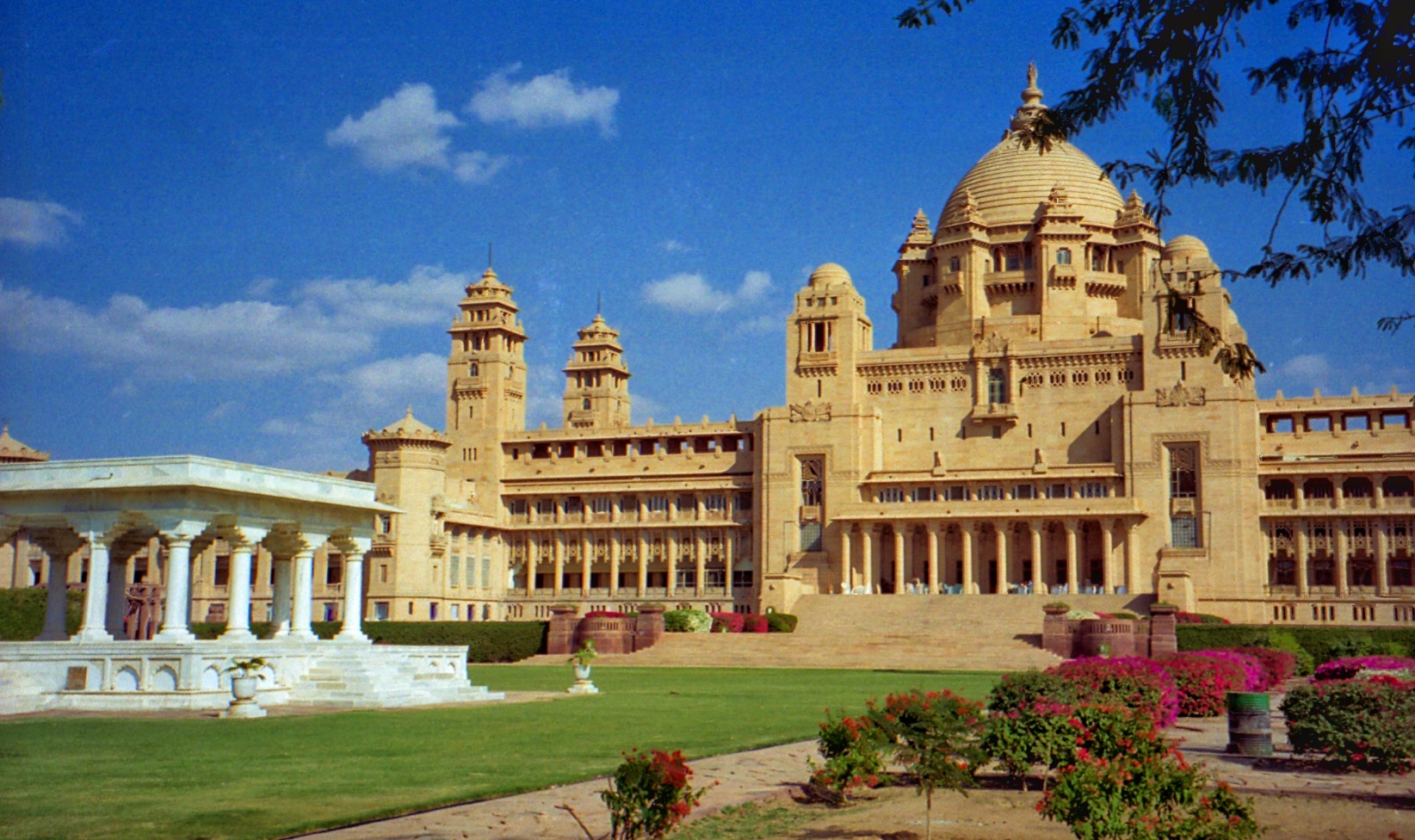
GT + Jodhpur Sun City

Wildlife & Wonders

GT + Udaipur Romance
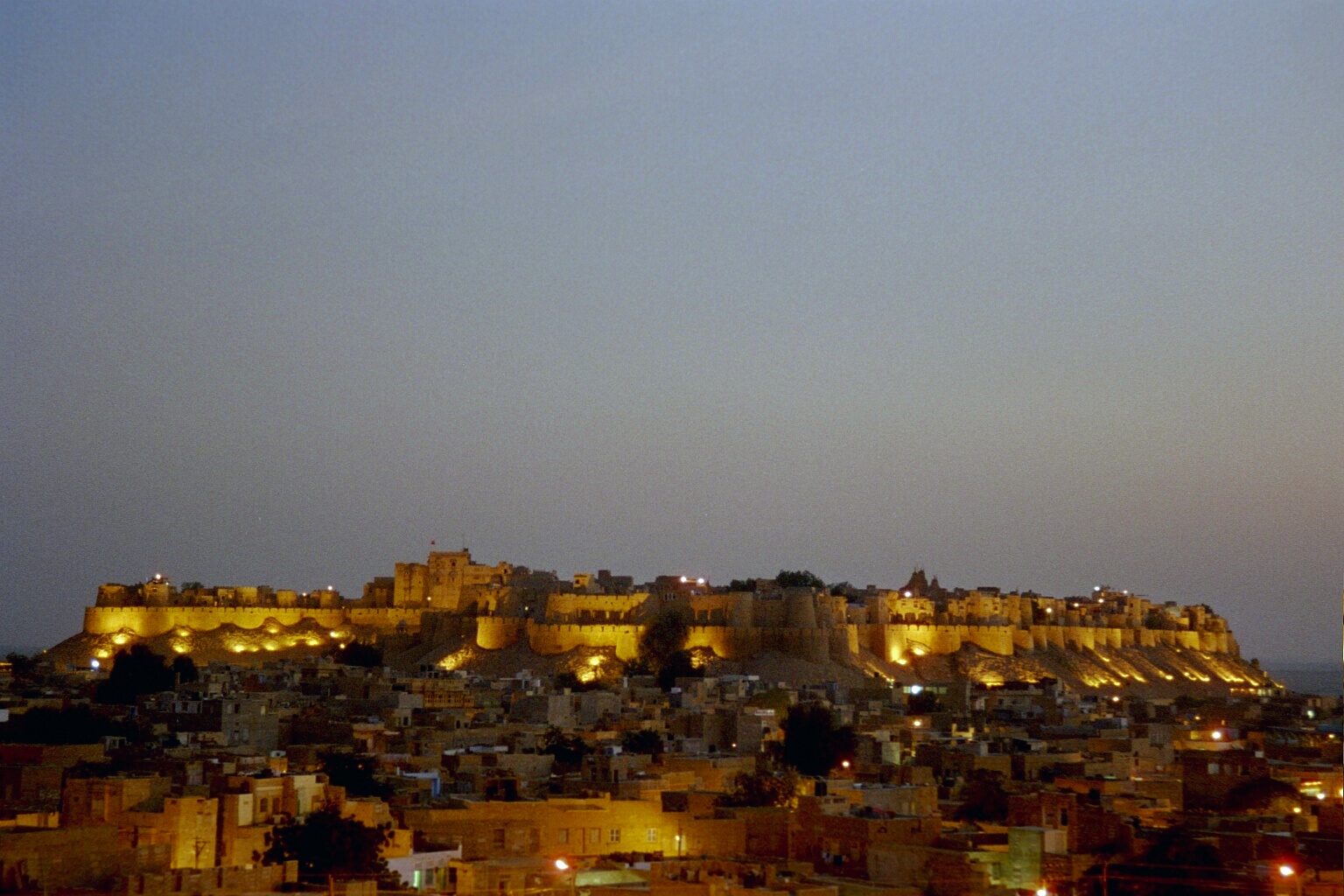
Desert & Palaces
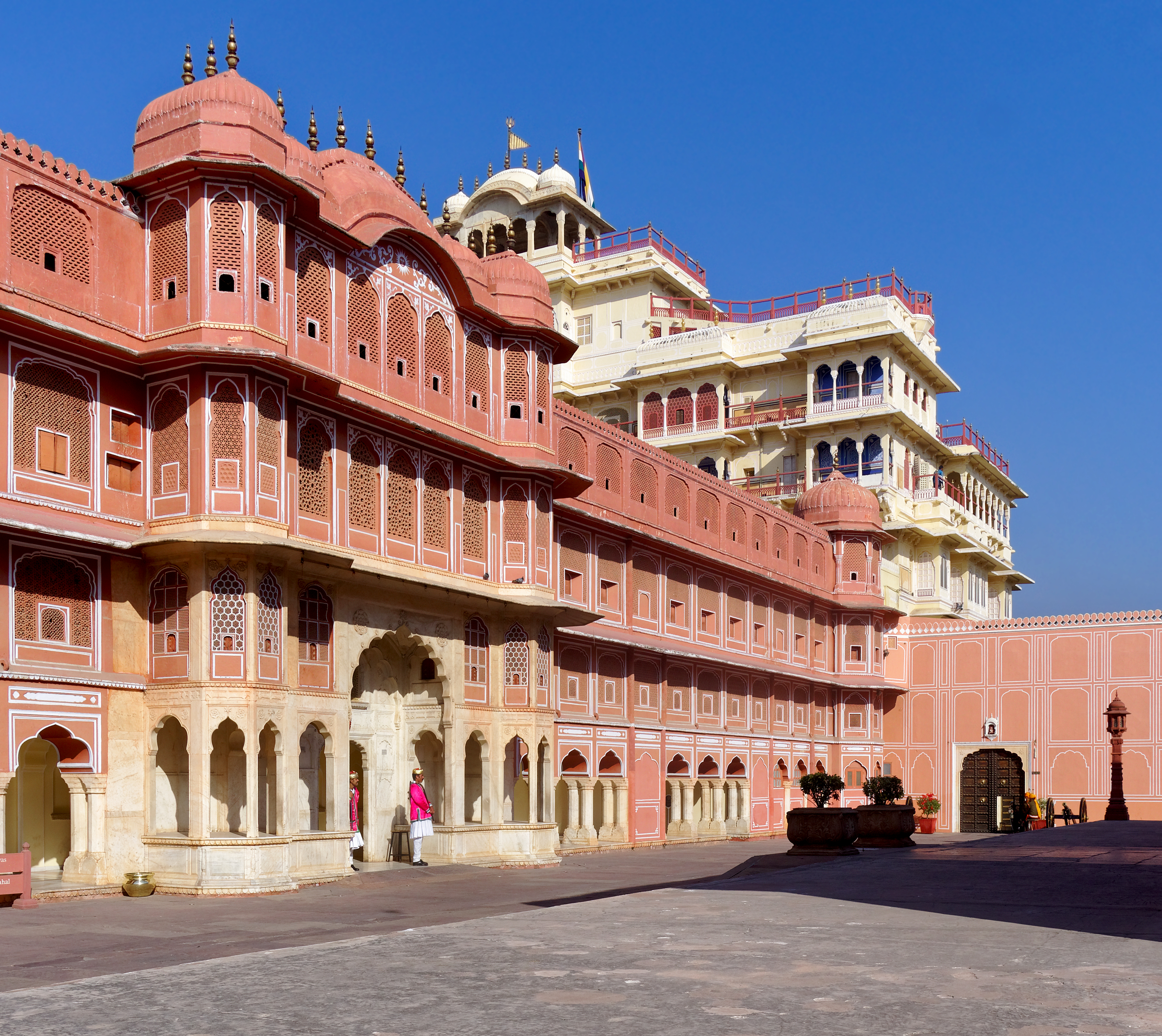
The Maharaja Circuit
Good to know
Mandawa, your questions
What is Mandawa famous for?
Mandawa is the most-visited town of the Shekhawati fresco region, its 18th and 19th century merchant havelis are painted inside and out with murals drawn from mythology, daily life, and the colonial encounter.
Why are the havelis painted?
The Marwari merchant families who grew rich on the trans-Thar caravan trade in the 18th-19th centuries built statement homes back in their ancestral towns and commissioned painters to cover them, the frescoes were both decoration and a register of wealth and contact.
How much time do I need in Mandawa?
A full day with a vetted escort covers the headline havelis; a single night allows an unhurried walk and the morning light on the better-preserved frescoes.
How does Mandawa fit a Rajasthan trip?
Naturally as a detour on the Delhi-to-Bikaner or Jaipur-to-Bikaner chauffeured arc, 4-6 hours from any of those cities and an architectural register quite unlike the palace cities.
Can I stay inside a painted haveli?
Yes, Mandawa Castle is now a heritage hotel; you live among the original frescoes. We pre-confirm room category for the painted-room options.
Continue exploring
Pairs well with Mandawa


Plan with us
Design a private journey through Mandawa.
Tell us your dates and what you love. Our travel desk builds a private, chauffeured itinerary around Mandawa and the wider Rajasthan Escapes, with handpicked hotels and a transparent quote, usually within a few hours.
Related journeys
Plan your trip
Plan your Mandawa trip
Free, no obligation quote. Your details stay private.