

Yamunotri
The Trekked Source-Shrine of the Yamuna
Overview
Yamunotri is the westernmost of Uttarakhand's Char Dham, the source-shrine of the river Yamuna, with a temple at about 3,291 m in Uttarkashi district below the Kalind Parvat peak. Dedicated to the goddess Yamuna, it is reached only by a strenuous trek of roughly 5 to 6 km from the Janki Chatti roadhead, on foot, pony, or palki. Beside the temple, the boiling Surya Kund hot spring is used to cook rice and potatoes offered as prasad. It opens seasonally from around late April or May to Nov, closing in winter. MyTripMyTravel operates it as a guided high-altitude pilgrimage.
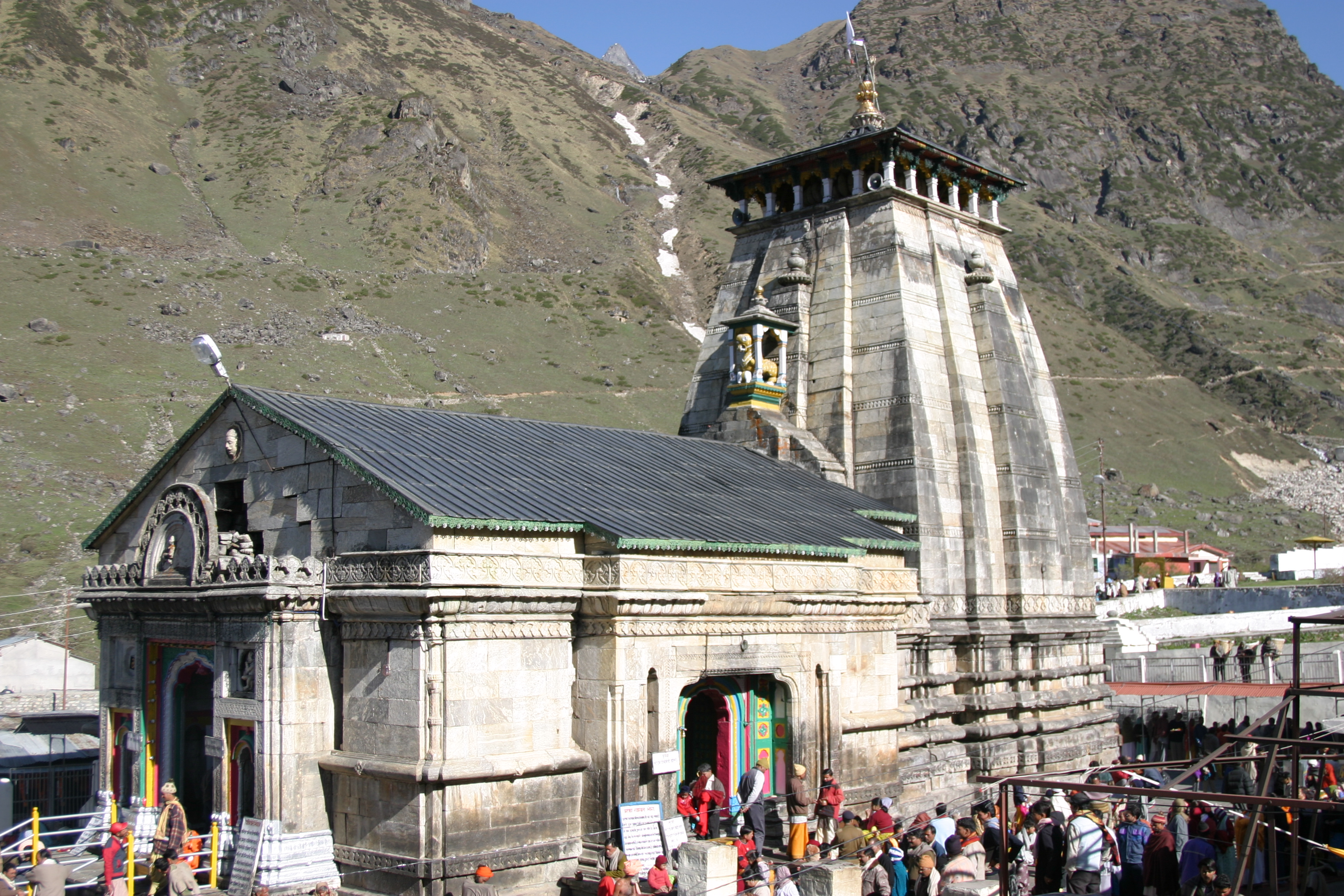
Yamunotri is the first stop on the traditional clockwise Char Dham circuit and, after Kedarnath, the most physically demanding of the four. The temple stands at about 3,291 m in a tight Himalayan gorge below the Kalind Parvat peak, honouring the goddess Yamuna, sister of Yama, the god of death, whose river the Hindus revere second only to the Ganga. The present shrine has been built and rebuilt over the centuries, associated with the royal patronage of Tehri Garhwal and Jaipur.
What makes Yamunotri distinctive is its geothermal drama. Beside the temple, the Surya Kund spring boils out of the mountain hot enough that pilgrims lower cloth bundles of rice and potatoes into it to cook, then receive them back as prasad, a ritual found nowhere else on the circuit. Nearby, the Divya Shila rock is worshipped before entering the shrine. The actual glacial source at Champasar, higher on Kalind Parvat, is remote and rarely visited; the temple is the accepted point of pilgrimage.
MyTripMyTravel runs Yamunotri as an honest, well-staged high-altitude pilgrimage. There is no road to the temple: pilgrims trek roughly 5 to 6 km up from Janki Chatti, on foot or by hired pony or palki (palanquin), gaining altitude on a steep path. The shrine opens only from around late April or May to Nov, and cold, thin air, and fast weather demand fitness and care. We arrange the chauffeured drive to the roadhead, coordinate ponies or palki, stage guides for the walk, and pair it naturally with Gangotri on the western arc.
At a glance
Yamunotri in brief
When to visit
May to June, September to October
Yamunotri opens only for a seasonal window, usually from around Akshaya Tritiya in late April or May to Yama Dwitiya in Nov, closing for winter when the deity is carried down to Kharsali village. May to June offers the most settled early-season weather and long days for the trek, coinciding with the peak pilgrim rush. September to October, after the monsoon, gives cool, clear, stable conditions and the safest trail. The monsoon of July and August is best avoided, heavy rain makes the steep path slick and raises the risk of landslides on the narrow approach roads. Nights are cold at altitude throughout, and warm layers are essential even in early summer.
Things to do
Experiences in Yamunotri
Yamunotri temple darshan
Worship at the source-shrine of the goddess Yamuna in its tight Himalayan gorge, the culmination of the trek and the start of the Char Dham circuit.
Janki Chatti to Yamunotri trek
The strenuous roughly 5 to 6 km climb from the roadhead, gaining altitude on a steep path, walkable or by pony or palki.
Surya Kund hot spring
The boiling geothermal spring beside the temple where pilgrims cook rice and potatoes to receive as prasad, a ritual unique to Yamunotri.
Divya Shila
The revered rock pillar worshipped before entering the shrine, part of the customary sequence of the Yamunotri pilgrimage.
Kharsali & Someshwar temple
The winter seat of the goddess at Kharsali near Janki Chatti, with an ancient stone Shiva temple and thermal springs.
Hanuman Chatti walks
Short valley and forest walks around the lower roadheads amid deodar and rushing streams, gentle acclimatisation before the climb.
Getting there
How to reach Yamunotri
Jolly Grant Airport (DED) near Dehradun is the nearest, about 180 km from Janki Chatti; we manage the fleet handover for the mountain drive.
Rishikesh and Dehradun are the nearest railheads, roughly 170 to 200 km away and well connected to Delhi; we handle the onward Garhwal transfer.
The chauffeured drive runs via Barkot to the Janki Chatti roadhead; from there the shrine is trek, pony, or palki only, with no road to the temple.
Our GPS-tracked, orthopedic-grade vehicles cover the winding Garhwal drive to Janki Chatti; the final ascent to the temple is on foot or by pony or palki.
Where to stay
Simple guesthouses, GMVN lodges, and dharamshalas near the trailhead at Janki Chatti, modest and cold but well placed for an early start.
More equipped hotels lower down at Barkot, the usual staging comfort base before and after the Yamunotri trek.
Quieter riverside and orchard stays around the Yamuna valley to bookend the pilgrimage with rest and scenery.
Where to eat
Dining on the route and at the temple is simple and vegetarian, dal, rice, roti, khichdi, and hot chai and Maggi to fuel the climb.
The rice and potatoes cooked in the temple's boiling spring, received as blessed prasad, a taste unique to Yamunotri.
At Barkot and along the route, regional dishes such as mandua roti, jhangora, and gahat dal offer hearty mountain nourishment.
Go deeper
More on Yamunotri
Good to know
Yamunotri, your questions
Do I have to trek to reach Yamunotri?
Yes. There is no road to the temple; pilgrims trek roughly 5 to 6 km up a steep path from the Janki Chatti roadhead. Those unable to walk can hire a pony or a palki (palanquin) with porters, which we arrange, but the ascent itself is unavoidable.
When is Yamunotri open?
Only for a seasonal window, usually from around late April or May to Nov, closing for winter when the deity is moved down to Kharsali village. We plan the visit strictly around the opening calendar and trail and road conditions.
What is the Surya Kund hot spring?
It is a boiling geothermal spring beside the temple, hot enough that pilgrims lower bundles of rice and potatoes into it to cook and then receive as prasad, a ritual unique to Yamunotri among the Char Dham shrines.
How fit do I need to be?
The trek is short but steep and at over 3,000 m, so reasonable fitness and some acclimatisation matter, and warm layers are essential. We brief thoroughly, pace the climb, and stage ponies, palki, and guides so most travellers can complete it comfortably.
Can I combine Yamunotri with Gangotri?
Yes, they form the western pair of the Char Dham and are almost always done together, Yamunotri first in the traditional clockwise circuit. We route the two efficiently with proper acclimatisation and daylight-timed drives.


Plan with us
Design a private journey through Yamunotri.
Tell us your dates and what you love. Our travel desk builds a private, chauffeured itinerary around Yamunotri and the wider North India, with handpicked hotels and a transparent quote, usually within a few hours.
Related journeys
Plan your trip
Plan your Yamunotri trip
Free, no obligation quote. Your details stay private.