

Haridwar
The Ganga Aarti gateway
Overview
Haridwar is a sacred city in Uttarakhand, India, where the Ganga first descends from the Himalayas to the plains. It is one of the seven holiest cities of Hinduism and one of four sites of the Kumbh Mela. The signature experience is the evening Ganga Aarti at Har-ki-Pauri, a 45-minute ritual of fire and chant on the river's main ghat, performed daily and witnessed by tens of thousands. MyTripMyTravel operates Haridwar as a sacred-ritual leg, usually paired with Rishikesh, with reserved ghat seating and a vetted Brahmin escort for context.
Haridwar, literally 'gateway to God', sits where the Ganga leaves the Himalayan foothills and enters the plains. It is one of seven sacred cities (Sapta Puri) and one of the four Kumbh Mela sites, where the river is believed to carry the drops of immortality nectar spilled in mythology.
Har-ki-Pauri ('the steps of the Lord') is the spiritual heart, the main ghat where the evening Ganga Aarti is performed every day at sunset. It is a 45-minute choreographed ritual of fire lamps, chant, and the river itself as audience.
Beyond the ghats sit Mansa Devi (cable-car temple on the Bilwa hill) and Chandi Devi (across the river on the Neel Parvat hill), the historic Daksheshwar Mahadev Temple, and the Bharat Mata Mandir. The city is a living religious operation rather than a museum.
MyTripMyTravel pairs Haridwar with Rishikesh, 20 km upstream, together they form the Uttarakhand spiritual leg. Reserved aarti seating, a vetted Brahmin priest for ritual context, and the chauffeured Elite Fleet from Delhi (210 km) or Rishikesh (20 km).
At a glance
Haridwar in brief
When to visit
October to March
October to March offers cool, comfortable evenings ideal for the Ganga Aarti and the morning ghat walks. December and January can be cold (5 to 18°C). The monsoon (July to September) raises the river and can disrupt ghat access. April to June is very hot. The winter window is optimal for both ritual and pacing.
Things to do
Experiences in Haridwar
Ganga Aarti at Har-ki-Pauri
The signature evening ritual, reserved ghat seating with a vetted escort.
Morning ghat walk
A dawn escorted walk along the ghats before the city wakes, quieter, photogenic.
Mansa Devi Temple
Cable-car ascent to the Bilwa hill temple, with views across the Ganga and the plains.
Chandi Devi Temple
Across the river on Neel Parvat, atmospheric and less-trafficked.
Daksheshwar Mahadev Temple
Ancient Shiva temple at Kankhal, the original Daksha mythological site.
Bharat Mata Mandir
The unusual eight-storey temple to Mother India, geography, freedom struggle, and the pantheon.
Royal Patliputra Express boat ride
An escorted river crossing at the calmer downstream stretch.
Sapt Rishi ashram
Where the Ganga is said to split into seven streams, a quiet contemplative stop.
Getting there
How to reach Haridwar
Chauffeured 5.5 hrs from Delhi via NH-334; 45 min from Rishikesh, the standard Uttarakhand pairing.
Haridwar Junction (HW) is a major railhead, direct trains from Delhi (4-5 hrs) including the Shatabdi.
Dehradun (DED), ~35 km, short chauffeured leg to Haridwar.
GPS-tracked Elite Fleet for the Delhi-Rishikesh-Haridwar circuit.
Where to stay
Haveli-style stays on the Ganga's quieter stretches.
Curated boutique stays near the Sapt Rishi ashram for a contemplative base.
Comfortable hotels in the centre with quick access to Har-ki-Pauri.
Where to eat
Pure-vegetarian Brahmanical kitchens, no onion, no garlic, at the better heritage tables.
Riverside terrace dining timed to the post-aarti hour.
Escorted walking trail through the Bara Bazaar, chaat, jalebi, kachori at vetted stalls only.
Ready to book
Itineraries featuring Haridwar
Private, chauffeured, day-by-day journeys that feature Haridwar or explore the wider Himalayan Peaks, each fully customisable, or built around your dates.

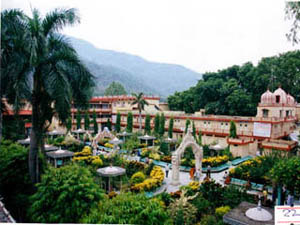
GT + Haridwar Sacred
GT + Rishikesh Yoga

GT + Amritsar Heritage

GT + Lucknow Royal
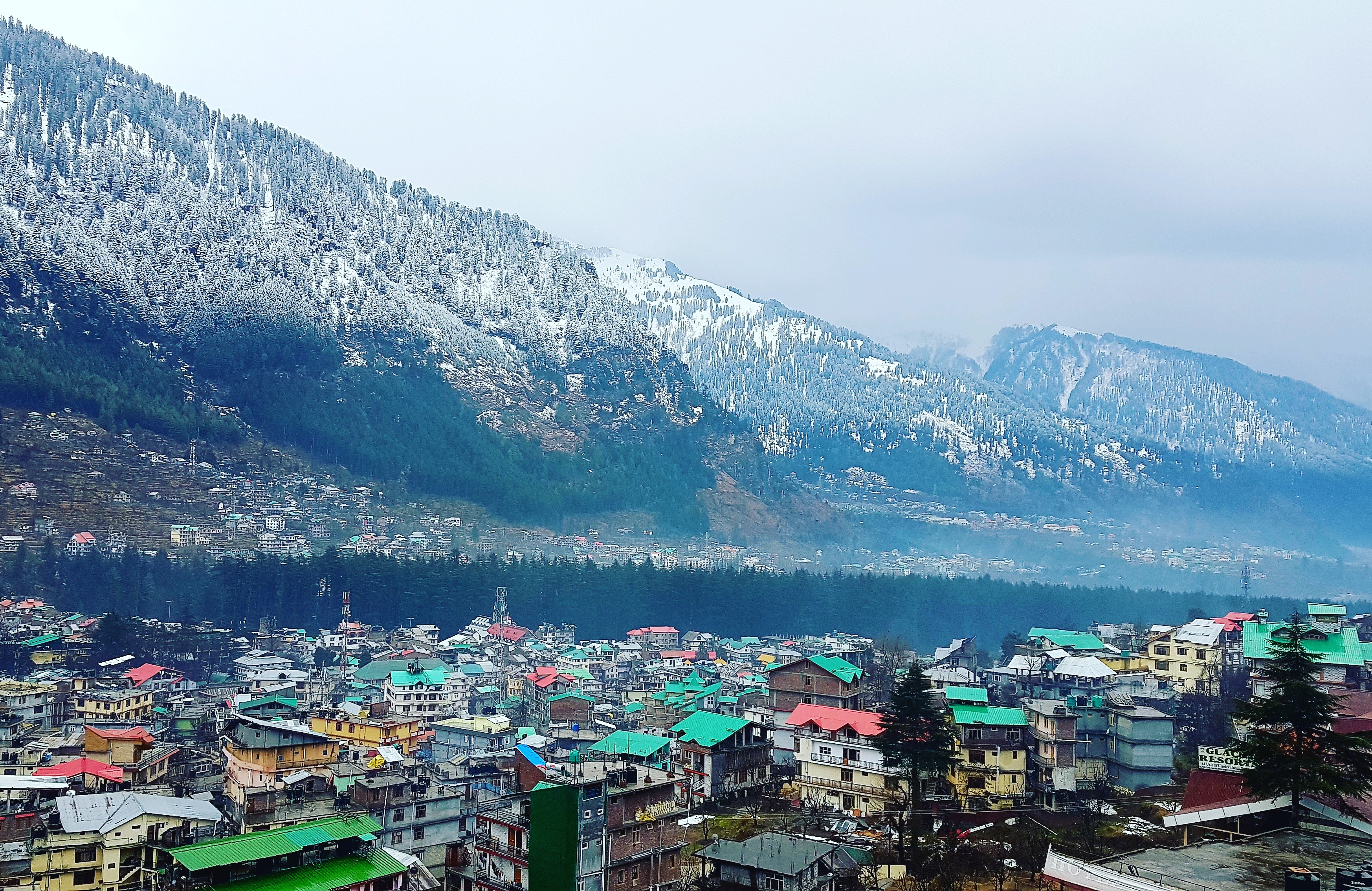
Himachal Heights

Ladakh Leh Expedition
Good to know
Haridwar, your questions
What time is the Ganga Aarti at Haridwar?
Sunset, typically 6 to 7 pm in summer, 5.30 to 6.30 pm in winter. The ceremony runs about 45 minutes. We reserve elevated ghat seating in advance for our guests.
Is one night enough in Haridwar?
Yes, one night is sufficient for the evening aarti, a morning ghat walk, and one of the hill temples. Two nights allows an unhurried pace and Chandi Devi + Sapt Rishi.
How does Haridwar pair with Rishikesh?
Naturally, they are 20 km apart on the same chauffeured circuit. Most travellers spend 2 nights in Rishikesh and 1 in Haridwar, or stay only in Rishikesh and visit Haridwar for the aarti.
Is Haridwar vegetarian-only?
The city is overwhelmingly vegetarian and alcohol-free, a Sapta Puri (sacred city) tradition. Our heritage tables follow the same standard; this is the local norm.
Can the aarti be experienced privately?
The aarti itself is a public ceremony; we cannot reserve it privately, but we secure elevated ghat seating, a Brahmin priest to explain the ritual, and chauffeured arrival outside the foot-traffic chokepoints.
Continue exploring
Pairs well with Haridwar


Plan with us
Design a private journey through Haridwar.
Tell us your dates and what you love. Our travel desk builds a private, chauffeured itinerary around Haridwar and the wider Himalayan Peaks, with handpicked hotels and a transparent quote, usually within a few hours.
Related journeys
Plan your trip
Plan your Haridwar trip
Free, no obligation quote. Your details stay private.