

Kasol
The Parvati Valley village
Overview
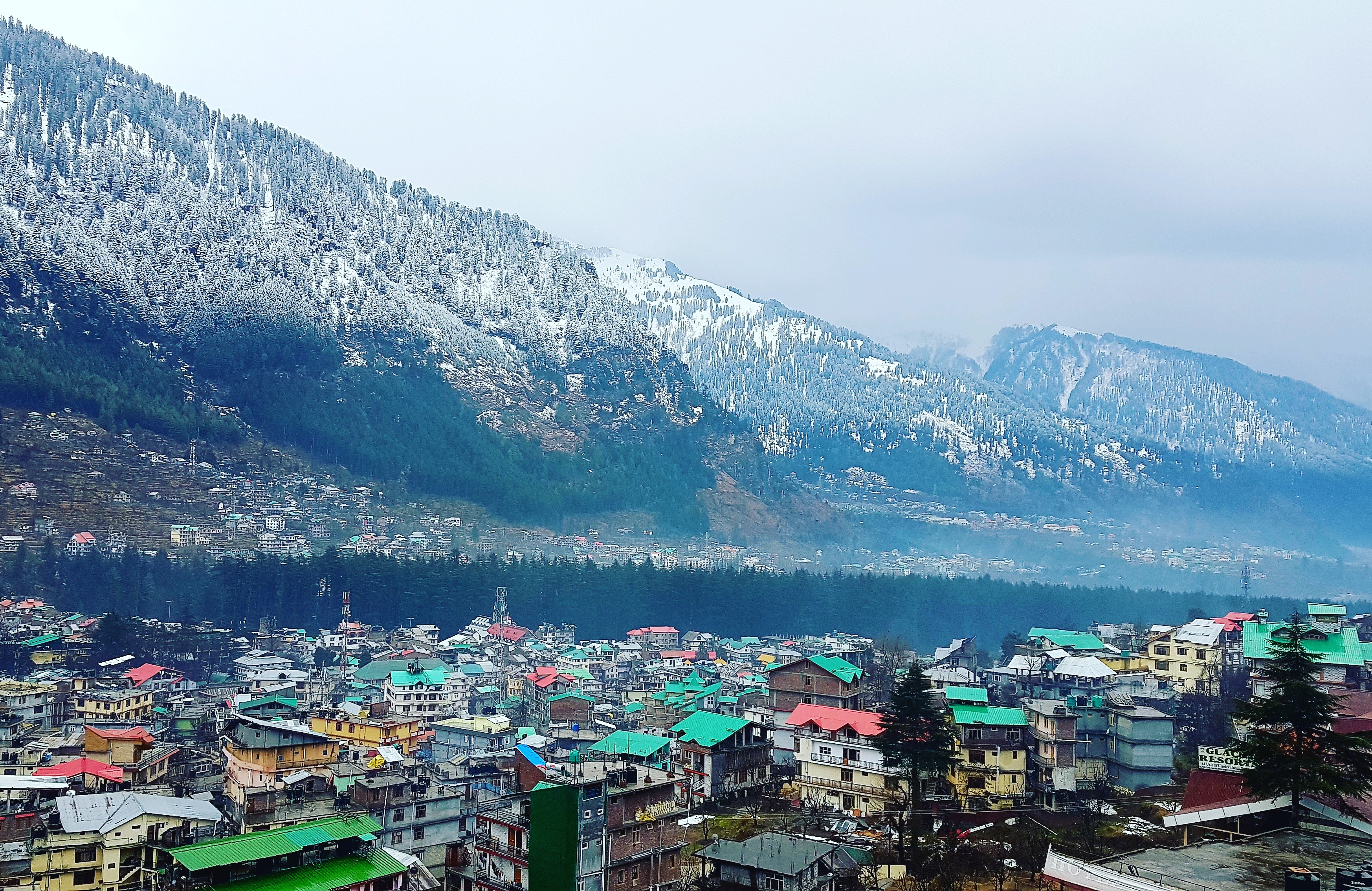
Kasol is a small village in the Parvati Valley of Himachal Pradesh, India, at roughly 1,580 m on the Parvati River. It became internationally known in the 1990s as a backpacker outpost on the so-called Hippie Trail, and is now a slightly more developed but still small mountain village. The Manikaran Sahib Gurdwara (an important Sikh shrine with hot springs) sits 4 km upstream. Above Kasol begin the high-altitude trekking routes, Kheerganga (3,050 m) and Tosh village (2,400 m) are the popular extensions. MyTripMyTravel operates Kasol as a 2-3 day Parvati Valley leg, anchored to riverside boutique stays rather than the budget hostels.
Kasol sits on the Parvati River in Himachal Pradesh's Kullu district, a small village that grew through the 1990s and 2000s into a known counterculture stop on the international backpacker circuit. The valley above (Tosh, Kheerganga, Pulga) is dotted with similar high-altitude villages.
The headline is the Manikaran Sahib Gurdwara, 4 km upstream from Kasol. The shrine, sacred to Sikhs (the 1st Guru Nanak visited here), sits on top of natural hot springs hot enough to boil rice, which is part of the langar (communal kitchen) protocol. The setting is dramatic: a Sikh shrine in a deep mountain valley with sulphur springs.
Above Kasol the trekking routes begin. Kheerganga (3,050 m, a 12 km trek with hot-spring baths at the top) is the most-walked; Tosh and Malana (an old village with strict traditions about outside contact) are less-trafficked alternatives. The Parvati River itself is a glacial-fed mountain stream, clear, cold, dramatic.
MyTripMyTravel operates Kasol as a Parvati Valley leg with riverside boutique stays (a different register from the backpacker hostels), guided Kheerganga or Tosh trekking, the Manikaran visit, and a slow village pacing. Typically 2-3 nights, paired with Manali for the wider Kullu-Manali arc.
At a glance
Kasol in brief
When to visit
April to June, September to November
April to June brings warming days and the trekking-season opening; April is still cold at trek altitudes. September to November is post-monsoon clarity. December to February is cold with snow on the higher trek routes (Kheerganga becomes a winter trek with crampons). The monsoon (July-August) is heavy and the road is landslide-prone, the famous 2003 cloudburst flash flood was catastrophic.
Things to do
Experiences in Kasol
Manikaran Sahib Gurdwara
Sikh shrine with natural sulphur hot springs, atmospheric and religiously significant.
Kheerganga trek
12 km trek to 3,050 m with hot-spring baths at the top, full-day expedition, escorted.
Tosh village
Small high-altitude village (2,400 m) 18 km from Kasol, quieter than Kheerganga.
Parvati River walks
Riverside walks along the clear glacial stream, short morning or evening routes.
Chalal village walk
Short forest walk from Kasol to Chalal village, a quieter version of Kasol's older self.
Bhuntar to Kasol drive
Scenic 30 km drive into the Parvati Valley, the route is part of the experience.
Malana village extension
Optional day-trip to Malana, a culturally protected village with strict outsider-contact traditions (no touching village structures).
Getting there
How to reach Kasol
Bhuntar/Kullu (KUU), 30 km, daily flights from Delhi (1 hr), then a chauffeured mountain leg into the valley.
Chauffeured 12 hrs from Delhi (typically broken with a Chandigarh halt); 3-4 hrs from Manali.
Chandigarh (CDG), 280 km, 8-9 hrs by chauffeured leg.
Hill-capable SUVs essential for the Parvati Valley road, narrow, occasionally damaged.
Where to stay
Quiet boutique stays directly on the Parvati River, a step up from the backpacker hostels, with proper rooms and dining.
Cottages set back from the river in the surrounding forest, quieter, more contemplative.
Restored Pahari wood-and-stone houses converted to small-scale boutique stays.
Where to eat
The Kasol-specific cuisine after decades of Israeli backpacker presence, hummus, falafel, shakshuka at curated cafes.
Siddu (steamed buckwheat bread), babru, madra at the boutique stays.
Communal meal at the Manikaran Sahib gurdwara, a powerful experience for those interested in the Sikh tradition.
Ready to book
Itineraries featuring Kasol
Private, chauffeured, day-by-day journeys that feature Kasol or explore the wider Himalayan Peaks, each fully customisable, or built around your dates.

GT + Haridwar Sacred

GT + Amritsar Heritage

GT + Lucknow Royal
Himachal Heights
GT + Rishikesh Yoga

Ladakh Leh Expedition
Good to know
Kasol, your questions
What is Kasol famous for?
Parvati Valley village character, the Manikaran Sahib gurdwara with hot springs, and the Kheerganga / Tosh trek routes. Also for its 1990s-2000s emergence as an international backpacker counterculture stop.
Is Kasol just a backpacker town?
It started as one and still has that register on the main road. The boutique stays we use are deliberately separate from the budget hostel scene; the village around the Parvati is the genuine draw.
Is the Kheerganga trek difficult?
Moderate, 12 km one way, 3,050 m altitude. Full day. The natural hot-spring baths at the top are the reward. Not technically difficult but altitude pacing matters.
Why visit Manikaran Sahib?
It is a major Sikh pilgrimage shrine with natural sulphur hot springs hot enough to cook on, religiously significant and visually striking. The langar (communal meal) is a sacred experience.
How does Kasol fit a Himachal trip?
Naturally as a 2-3 night Parvati Valley leg alongside Manali, typically Manali → Kasol → Manali → Spiti (the more adventurous arc), or Shimla → Manali → Kasol for the Himachal core.


Plan with us
Design a private journey through Kasol.
Tell us your dates and what you love. Our travel desk builds a private, chauffeured itinerary around Kasol and the wider Himalayan Peaks, with handpicked hotels and a transparent quote, usually within a few hours.
Related journeys
Plan your trip
Plan your Kasol trip
Free, no obligation quote. Your details stay private.