

Spiti Valley
The cold-desert Buddhist valley above the clouds
Overview
Spiti is a high-altitude cold-desert valley in Himachal Pradesh, India, sitting at 3,200-4,500 m in the Trans-Himalayan zone. Geologically, climatically, and culturally it is Tibetan, barren ochre cliffs, the Spiti River winding through gravel flats, and Buddhist monasteries (Key, Tabo, Dhankar) that pre-date most of the religion's western institutions. Tabo Monastery, founded in 996 AD, is the oldest continuously functioning Buddhist monastery in India. Spiti is reached by the seasonal Manali-Kunzum route (June-October) or the year-round Shimla-Kinnaur route. MyTripMyTravel operates Spiti as a long-arc Trans-Himalayan mission with strict altitude pacing.
Spiti, literally 'the middle land' in the local dialect, is the Himachal Pradesh cold-desert valley between Tibet and the inhabited Himalayas. It is one of the least-populated districts in India: roughly 12,000 people across an area larger than Sikkim, scattered across high villages between 3,200 m and 4,500 m.
Culturally and architecturally it is Tibetan, not Indian, the people are ethnically Bhotia, the religion is Vajrayana Buddhism, the cuisine is barley-and-yak-butter, and the monasteries are some of the oldest continuously functioning religious institutions in the Himalayas.
Tabo Monastery, founded in 996 AD by the great translator Rinchen Zangpo, is the oldest continuously functioning Buddhist monastery in India and houses some of the most important early Tibetan Buddhist art in the world. Key Monastery, perched on a hill above the Spiti River, is the photographed image of the valley. Dhankar Monastery clings to a cliff edge above the confluence.
MyTripMyTravel operates Spiti as a serious 7-10 day mission with mandatory altitude pacing, a low-altitude acclimatisation night before any ascent, the Shimla-Kinnaur-Spiti route in/out (or the seasonal Manali-Kunzum loop), GPS-tracked high-altitude vehicles, oxygen support, and a medically-aware itinerary. This is not a casual hill-station stop; it is a Himalayan high-altitude trip.
At a glance
Spiti Valley in brief
When to visit
June to October
June to October is the only practical window, both routes are open, the high villages are accessible, and altitude is manageable with proper pacing. July-August is peak with the most reliable road access and clearest views. May and October are shoulder months with the Manali road typically still snowed-in. November to April the valley is heavily snowed-in; Manali-Kunzum closes from late October; the Kinnaur route remains technically open year-round but is winter-grade and not recommended for non-expert travellers.
Things to do
Experiences in Spiti Valley
Tabo Monastery
The oldest continuously functioning Buddhist monastery in India (996 AD); the wall paintings are world-class.
Key Monastery
The fortress-monastery on the hill above the Spiti River, the postcard image of the valley.
Dhankar Monastery
Cliff-edge monastery above the Spiti-Pin confluence; the new monastery below is accessible to most, the old one requires a short climb.
Chandratal Lake
The high-altitude 'moon lake' at 4,300 m, accessible only July-September; weather-flex required.
Pin Valley
The side valley toward the Pin Valley National Park, snow leopard habitat, accessible only in summer.
Hikkim village post office
The world's highest post office at 4,400 m, postcard-from-the-edge experience.
Komic village
Said to be the world's highest motorable village at 4,587 m; the monastery and the absolute silence are the visit.
Local home-stay meal
Curated home stays with Bhotia families, butter tea, thukpa, and conversation as the experience.
Getting there
How to reach Spiti Valley
The recommended in-route is Shimla → Kinnaur → Spiti over 2-3 days for altitude pacing. The Manali-Kunzum route is shorter (8-10 hrs) but only June-October and is altitude-aggressive.
Bhuntar/Kullu (KUU) is the closest commercial airport, 285 km from Kaza (the Spiti administrative centre). Chandigarh (IXC) or Delhi (DEL) are more reliable with a longer chauffeured leg in.
GPS-tracked high-altitude SUVs with onboard oxygen, satellite communication, and 4WD capability. Not all rental fleets are appropriate; we operate vehicles built for the conditions.
No railway reaches Spiti. Kalka (KLK) is the nearest railhead for the Shimla route.
Where to stay
Curated Bhotia family home-stays in Tabo, Kaza, Komic, the cultural experience as much as the stay.
Limited number of boutique stays in Kaza with private rooms, heated beds, and ensuite plumbing.
Tented camps near Chandratal Lake (July-September only) for the high-altitude photography window.
Where to eat
Thukpa, momos, thenthuk, churpe, and the Spitian butter tea, the high-altitude diet built for the cold and altitude.
Curated lunch with monks at one of the operating monasteries (Tabo, Key), by pre-arrangement only.
Family kitchens in Komic and Kaza, the genuine register, vegetarian and barley-based by default.
Landmarks
Monuments in Spiti Valley
Ready to book
Itineraries featuring Spiti Valley
Private, chauffeured, day-by-day journeys that feature Spiti Valley or explore the wider Himalayan Peaks, each fully customisable, or built around your dates.

GT + Haridwar Sacred

GT + Amritsar Heritage

GT + Lucknow Royal
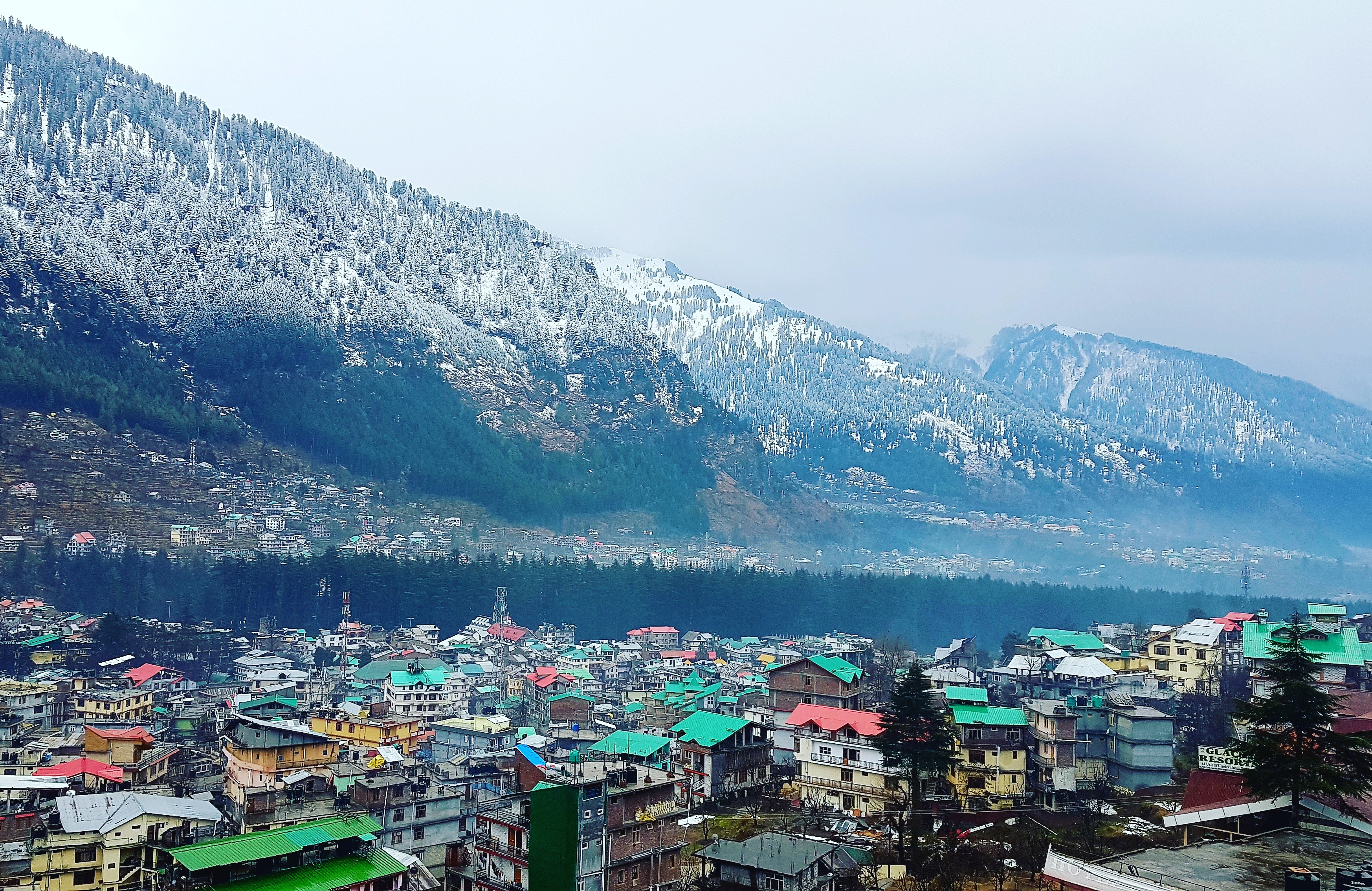
Himachal Heights
GT + Rishikesh Yoga

Ladakh Leh Expedition
Good to know
Spiti Valley, your questions
What is Spiti famous for?
Tibetan-Buddhist heritage in a cold-desert high-altitude landscape, particularly Tabo Monastery (996 AD), the oldest continuously functioning Buddhist monastery in India, and Key Monastery, the photographed fortress-monastery on the Spiti River.
When can I visit Spiti?
June to October is the practical window. May and October are shoulder. The Manali-Kunzum route closes by late October; the Shimla-Kinnaur route is technically year-round but winter-grade and difficult.
How many days do I need in Spiti?
7-10 days minimum, including acclimatisation. This is a Trans-Himalayan high-altitude trip; rushing it is genuinely unsafe. We recommend Shimla-Kinnaur in (2-3 days), Spiti core (4-5 days), and either Manali out (seasonal) or Kinnaur back out (year-round).
Do I need a permit for Spiti?
Foreign nationals need an Inner Line Permit (ILP) beyond Sumdo on the Kinnaur side. We arrange this in advance as part of planning.
Is Spiti safe at altitude?
With proper pacing, yes. We build a 24-48h low-altitude acclimatisation, oxygen support in the vehicle, and a medically-aware itinerary. Solo travellers with no high-altitude experience should plan the trip with an expert operator, this is not a hill-station holiday.
What's the difference between Spiti and Ladakh?
Both are Trans-Himalayan Tibetan-Buddhist valleys, but Spiti is in Himachal Pradesh and accessed by road (no flights); Ladakh is in Ladakh UT with the option to fly into Leh. Spiti is less developed, smaller in scale, and the road journey is part of the experience.
Continue exploring
Pairs well with Spiti Valley


Plan with us
Design a private journey through Spiti Valley.
Tell us your dates and what you love. Our travel desk builds a private, chauffeured itinerary around Spiti Valley and the wider Himalayan Peaks, with handpicked hotels and a transparent quote, usually within a few hours.
Related journeys
Plan your trip
Plan your Spiti Valley trip
Free, no obligation quote. Your details stay private.