

Mandi
The Chhoti Kashi of the Beas
Overview
Mandi is a town and district headquarters in Himachal Pradesh, India, set at roughly 760 m on the banks of the Beas river. Founded in the early sixteenth century by Raja Ajber Sen, it is famous for its dense cluster of old stone shikhara temples, so many that it is called 'Chhoti Kashi', the little Varanasi of the hills. Landmark shrines include Bhutnath, the five-faced Panchvaktra, and Triloknath. Mandi's grandest event is its week-long Shivratri fair, when scores of village deities are carried into town. The sacred lake of Rewalsar and the alpine Prashar Lake lie within reach. MyTripMyTravel runs Mandi as a temple-town base on the road to the higher Himalaya.
Mandi is one of Himachal's oldest and most sacred towns, and it wears that history openly. Set at about 760 m where the Beas cuts through the hills, it was founded in the early sixteenth century by Raja Ajber Sen and grew into a temple town of such density, dozens of old stone shikhara shrines packed along the river and through the bazaars, that Himachalis call it Chhoti Kashi, the little Varanasi of the mountains.
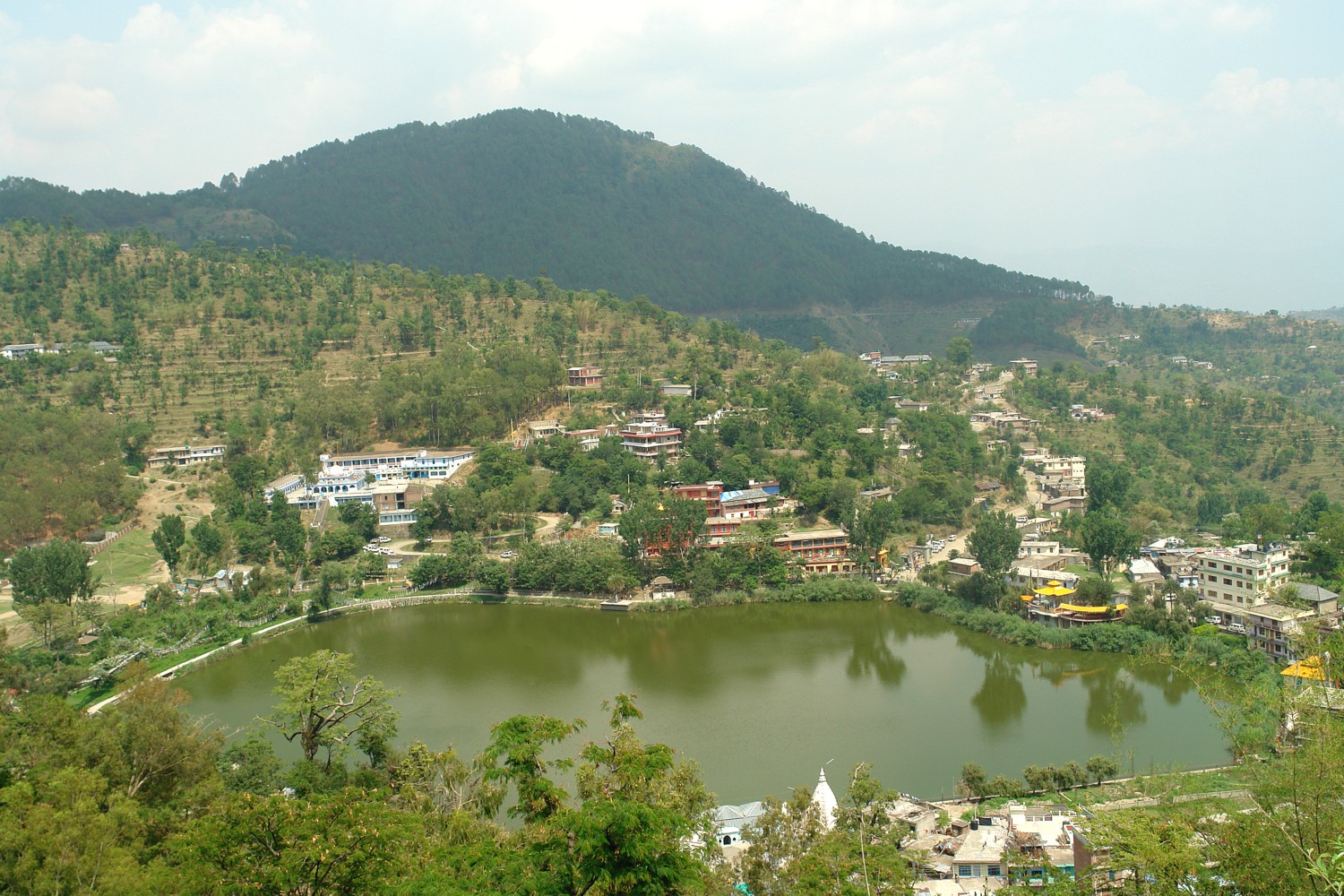
The temples are the heart of a visit. Bhutnath, dedicated to Shiva, stands at the town's founding centre; the five-faced Panchvaktra and the graceful Triloknath overlook the river; and the old Sunken Garden (Indira Market) and colonial-era bridges add texture between them. Mandi's great annual event is its Shivratri fair, a week-long celebration when scores of village devtas are carried on palanquins into town to pay homage, one of Himachal's most vivid living traditions. Within easy reach lie the sacred, three-faith lake of Rewalsar and, higher up, the alpine Prashar Lake with its distinctive pagoda temple and floating island.
MyTripMyTravel uses Mandi as a low-altitude cultural base and a natural staging point on the Chandigarh to Manali road. We arrange escorted temple walks through the old town, time visits around the Shivratri fair for those who want it, and use Mandi's central position to reach Rewalsar, Prashar, and the Kullu valley. It suits travellers who want genuine Himachali heritage without altitude or exertion.
At a glance
Mandi in brief
When to visit
October to March
The cool, clear months from October to March are the most comfortable for exploring Mandi's temples and old bazaars on foot, with pleasant days and crisp mountain light. The Shivratri fair usually falls in February or early March and is the town's most spectacular window, vivid but very busy, so we book well ahead. Summer (April to June) is warm in the valley but a useful gateway to the higher Himalaya. The monsoon (July to September) greens the hills but can bring landslides on the surrounding highways, so we keep schedules flexible then.
Things to do
Experiences in Mandi
Bhutnath temple
The Shiva temple at the heart of the old town, dating from Mandi's sixteenth-century founding and the focus of the Shivratri fair.
Panchvaktra & Triloknath temples
The five-faced Shiva temple by the river and the graceful Triloknath, fine examples of Mandi's shikhara stone architecture.
Mandi Shivratri fair
The week-long festival when scores of village deities are carried into town on palanquins, one of Himachal's great living traditions.
Old-town temple & bazaar walk
An escorted walk through the dense cluster of shrines and the riverside bazaars that earn Mandi its 'Chhoti Kashi' name.
Prashar Lake day drive
A drive up to the alpine Prashar Lake, with its three-storey pagoda temple, floating island, and wide Dhauladhar views.
Rewalsar Lake excursion
A visit to the nearby sacred lake revered by Buddhists, Hindus, and Sikhs, with its monasteries and giant Padmasambhava statue.
Getting there
How to reach Mandi
The nearest airports are Bhuntar (Kullu-Manali, KUU) and Shimla (SLV) with limited service; most guests fly to Chandigarh (IXC) and continue by our fleet.
Mandi sits on NH3, the Chandigarh-Manali highway, and is an easy chauffeured hub, a natural stop between the plains and the Kullu valley.
The nearest broad-gauge railheads are at Chandigarh and Kiratpur; the narrow-gauge Joginder Nagar line ends nearby, and onward travel is by our fleet.
Our GPS-tracked, orthopedic-grade vehicles handle transfers and the day drives to Rewalsar, Prashar, and up the Beas valley.
Where to stay
Comfortable full-service hotels along the Beas and in the town centre, well placed for the temple walks.
Character stays in and around Mandi that lean on the town's history and old-town setting.
Family-run Mandeali homestays in the surrounding villages for a quieter, more local experience.
Where to eat
The traditional festive thali of madra, dal, and rice cooked by botis (local cooks), Mandi is a stronghold of the dham tradition, served on request and at celebrations.
The bazaars' famous sweets, chana-madra, and local snacks, best sampled on a walk through the temple quarter.
Fuller menus at the town's hotels, from Himachali specialities to North Indian standards, for an easy sit-down meal.
Go deeper
More on Mandi
Ready to book
Itineraries featuring Mandi
Private, chauffeured, day-by-day journeys that feature Mandi or explore the wider North India, each fully customisable, or built around your dates.

Sikkim Silk Route

Meghalaya Monsoon Mist

GT + Pushkar Culture

GT + Haridwar Sacred

GT + Amritsar Heritage
Sikkim Silk Route Premium
Good to know
Mandi, your questions
Why is Mandi called Chhoti Kashi?
For its remarkable density of old temples. Like Varanasi (Kashi), Mandi grew as a riverside temple town, and it packs dozens of ancient stone shikhara shrines along the Beas and through its bazaars, so many that Himachalis nicknamed it Chhoti Kashi, the little Varanasi of the hills.
What is the Mandi Shivratri fair?
It is the town's signature festival, held over about a week around Shivratri (usually February or early March), when scores of village deities are carried into Mandi on palanquins to gather around Bhutnath and Madho Rai. It is one of Himachal's most vivid living traditions, spectacular but very crowded, so we book access and stays well ahead.
Is Mandi a good base for nearby lakes?
Yes. Mandi is the natural jumping-off point for two very different lakes, the sacred, three-faith Rewalsar about 24 km away, and the high alpine Prashar Lake with its pagoda temple further up. Both work well as chauffeured day trips from town.
Does Mandi have altitude concerns?
No. At around 760 m in the valley, Mandi has no altitude issues, and its pleasures, temples, bazaars, and day drives, are gentle and low-effort. It suits families and travellers who want Himachali heritage without the climb of the higher hill stations.
Continue exploring
Pairs well with Mandi


Plan with us
Design a private journey through Mandi.
Tell us your dates and what you love. Our travel desk builds a private, chauffeured itinerary around Mandi and the wider North India, with handpicked hotels and a transparent quote, usually within a few hours.
Related journeys
Plan your trip
Plan your Mandi trip
Free, no obligation quote. Your details stay private.