

McLeodganj
Little Lhasa, seat of the Dalai Lama in exile
Overview
McLeodganj is a hill town in Himachal Pradesh, India, at roughly 2,100 m, named after the 19th-century Lieutenant Governor David McLeod and now world-known as the seat-in-exile of the Dalai Lama and the Central Tibetan Administration since 1960. The Tsuglagkhang complex (the Dalai Lama's residence and temple) is the centre; around it sit the Tibetan Library, the Norbulingka Institute (preserving Tibetan arts and crafts), and Tibetan monasteries-in-exile. McLeodganj sits directly above Dharamshala, of which it is technically the upper extension. MyTripMyTravel operates McLeodganj as a Tibetan-Buddhist cultural leg with respectful pacing.
McLeodganj, also called Upper Dharamshala, is a small ridge town that became internationally significant in 1960 when the Indian government granted asylum to the Dalai Lama and the exiled Tibetan government following the 1959 uprising in Tibet. The town has been the seat of the Central Tibetan Administration ever since.
The Tsuglagkhang complex on the southern ridge houses the Dalai Lama's private residence, the main Tibetan temple, and the Tibet Museum (documenting the 1959 exile and the ongoing Tibetan diaspora). Public audiences with the Dalai Lama happen periodically when he is in residence; we cannot reserve them but track the schedule.
Around the town sit the Tibetan Library of Works and Archives (the principal centre for Tibetan-language scholarship outside Tibet), Norbulingka Institute (preserving Tibetan thangka painting, woodcarving, and statue-making in living workshops), and a number of monasteries-in-exile including Gyuto Tantric University.
MyTripMyTravel operates McLeodganj alongside Dharamshala-proper as a Tibetan-Buddhist cultural leg of the Himachal circuit. The Bhagsu Falls, the Triund trek (a half-day mountain ascent with views to the Dhauladhar range), and the Tibetan cuisine of Jogiwara Road round out a 2-3 night stay. The town's character is contemplative and cosmopolitan, a hill station that became a small global capital.
At a glance
McLeodganj in brief
When to visit
March to June, September to November
March to June brings warming spring days (15-25°C) ideal for the Triund trek and outdoor sessions. September to November is post-monsoon clarity with the Dhauladhar wall at its sharpest. December to February is cold (sub-zero nights) with occasional snow; the town stays open but trek access is limited. The monsoon (July-August) is heavy and the mountain roads are landslide-prone.
Things to do
Experiences in McLeodganj
Tsuglagkhang complex
The Dalai Lama's temple and residence; the Tibet Museum is included.
Tibetan Library
The principal Tibetan-language archive outside Tibet, pre-arranged academic visits available.
Norbulingka Institute
Living workshops in thangka, woodcarving, and statue-making, guided studio visit.
Bhagsu Falls + Bhagsunag Temple
A 30-min walk to the falls, with the 5,000-year-old Bhagsunag temple en route.
Triund trek
Half-day mountain trek to 2,875 m for a face-on view of the Dhauladhar wall.
Tibetan cuisine trail
Escorted tasting through Jogiwara Road, thukpa, momo, thenthuk, butter tea.
Gyuto Tantric University
Tibetan tantric Buddhist monastery, chant attendance at scheduled times.
Dharamkot meditation retreat
The quieter mountain hamlet 2 km above McLeodganj, meditation centres and a forest walk.
Getting there
How to reach McLeodganj
Dharamshala-Kangra (DHM), 15 km, daily flights from Delhi (1 hr). Chauffeured leg onward to McLeodganj.
Chauffeured 10 hrs from Delhi (typically broken with a Chandigarh halt); 5-6 hrs from Shimla; 3 hrs from Pathankot.
Pathankot Junction (PTK), 90 km, 3 hrs by chauffeured leg.
Hill-capable SUVs for the Dharamshala-McLeodganj-Dharamkot circuit.
Where to stay
Dhauladhar-facing boutique stays on the ridge.
Smaller stays near the Tsuglagkhang complex and along the meditation trail.
Quieter stays in upper Dharamkot for travellers prioritising meditation or writing.
Where to eat
Thukpa, momos, thenthuk, butter tea, authentic Tibetan cuisine at curated stalls and tables.
Madra, babru, and dham at the heritage-stay tables.
The Israeli, Korean, and European cafés that make McLeodganj's eating scene unusually international.
Ready to book
Itineraries featuring McLeodganj
Private, chauffeured, day-by-day journeys that feature McLeodganj or explore the wider Himalayan Peaks, each fully customisable, or built around your dates.

GT + Haridwar Sacred

GT + Amritsar Heritage

GT + Lucknow Royal
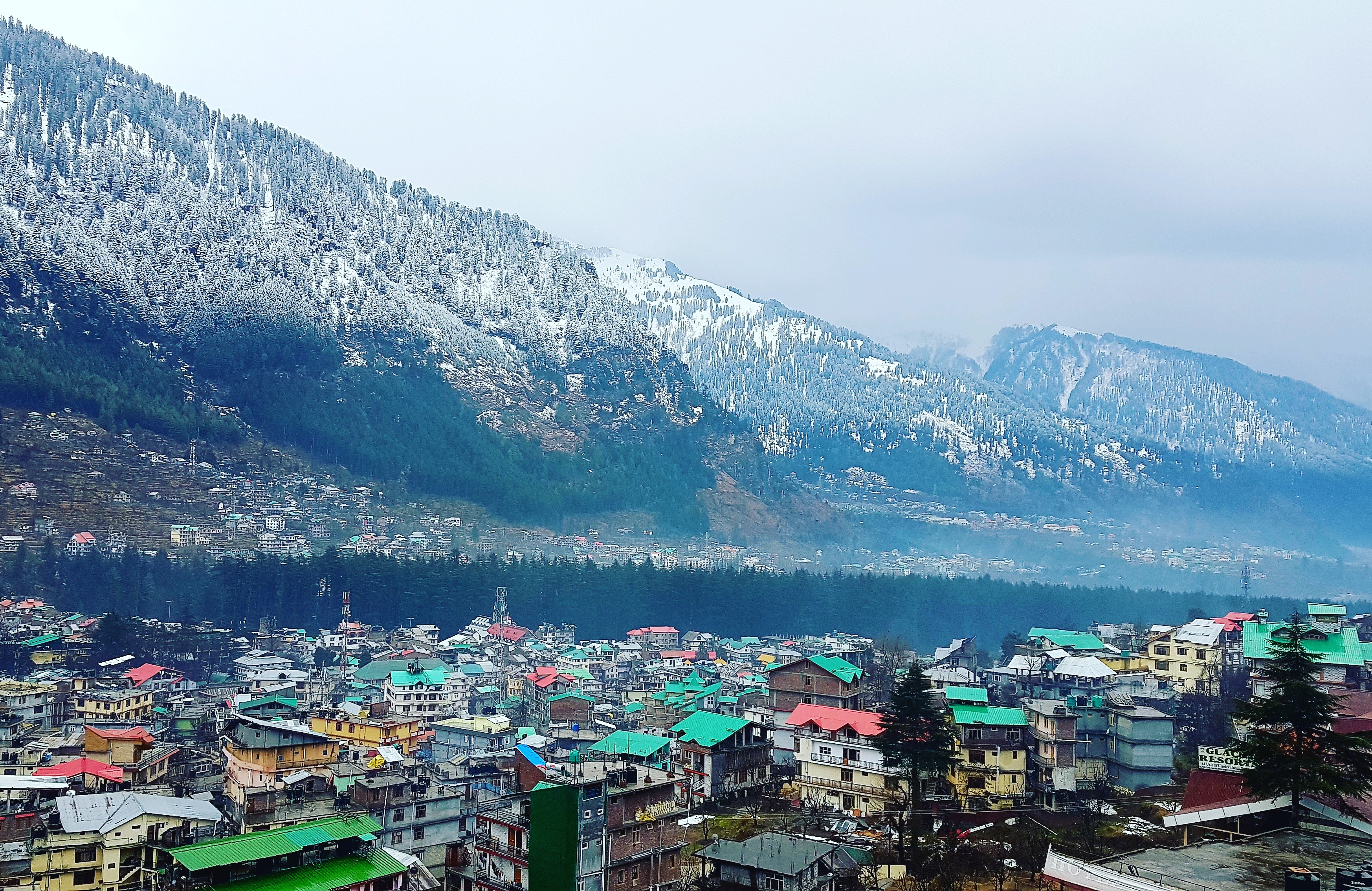
Himachal Heights
GT + Rishikesh Yoga

Ladakh Leh Expedition
Good to know
McLeodganj, your questions
Why is the Dalai Lama in McLeodganj?
Following the 1959 Tibetan uprising, the Indian government granted asylum to the Dalai Lama and a Tibetan government-in-exile was established at McLeodganj in 1960. It has been the seat of the Central Tibetan Administration since.
Can I meet the Dalai Lama?
Periodic public audiences are scheduled when he is in residence; they cannot be reserved by private operators. We track the schedule and notify guests if his presence and an audience window overlaps with their trip.
What's the difference between McLeodganj and Dharamshala?
McLeodganj is technically Upper Dharamshala, they are essentially one town, 5 km apart with different character. McLeodganj is the Tibetan cultural centre on the ridge; Dharamshala (lower) is the administrative town. Most travellers stay in McLeodganj.
How long do I need?
2-3 nights covers the Tsuglagkhang, Norbulingka, Bhagsu Falls, and the cuisine trail. Add a day for the Triund trek, or 2-3 more days for a meditation retreat at Dharamkot.
Is McLeodganj part of a Himalayan circuit?
Yes, naturally paired with Shimla, Manali, or Amritsar (90 km) for the wider North-India Himalayan and Punjab arc. Many travellers combine it with Dalhousie (175 km) and Khajjiar.
Continue exploring
Pairs well with McLeodganj


Plan with us
Design a private journey through McLeodganj.
Tell us your dates and what you love. Our travel desk builds a private, chauffeured itinerary around McLeodganj and the wider Himalayan Peaks, with handpicked hotels and a transparent quote, usually within a few hours.
Related journeys
Plan your trip
Plan your McLeodganj trip
Free, no obligation quote. Your details stay private.