

Mount Abu
The Hill Oasis of the Aravallis
Overview
Mount Abu is the only hill station in Rajasthan, India, set at roughly 1,220 m in the Aravalli range. It is best known for the Dilwara Jain temples, exquisite 11th to 13th-century marble shrines considered among the finest examples of Jain temple architecture in India, plus the Nakki Lake, the Achalgarh fort, and the Guru Shikhar peak (the highest in the Aravallis). It is a cool, contemplative counterpoint to the desert cities. MyTripMyTravel operates Mount Abu as a heritage-and-temple leg on the southern Rajasthan circuit.
Mount Abu is the surprise of Rajasthan, a green, cool hill town inside a state defined by desert and fort. The altitude alone makes it singular; the Dilwara temples make it a destination.
The five Dilwara temples are unlike anything else in India: white marble worked to a level of detail that travellers consistently describe as almost paper-thin, built between the 11th and 13th centuries. They reward an unhurried, escorted visit with a guide who can read the iconography.
Around the temples sits a complete hill station, Nakki Lake at the centre, Achalgarh fort, the Guru Shikhar viewpoint, and sunset spots that turned the town into a 19th-century retreat.
MyTripMyTravel runs Mount Abu as a heritage-and-cool-air leg on the southern Rajasthan circuit, with photography restrictions and footwear etiquette inside Dilwara handled in advance.
At a glance
Mount Abu in brief
When to visit
October to March
October to March is the comfortable season, cool, clear, and ideal for the temples and viewpoints. Summer (April to June) is the peak domestic-tourism period because of the altitude relief from the plains; we plan around the crowds in those months. The monsoon greens the Aravallis but can fog viewpoints. Winter is optimal for unhurried sightseeing.
Things to do
Experiences in Mount Abu
Dilwara Jain temples
Five 11th to 13th-century marble temples, escorted visit timed against group windows, with photography etiquette handled.
Nakki Lake
The walkable hill-town centre, boating and the surrounding promenade.
Guru Shikhar
The highest peak in the Aravallis with a panoramic view; sunrise is optimal.
Achalgarh Fort & temples
The 14th-century fort complex with the Achaleshwar temple cluster nearby.
Sunset Point
The classic Mount Abu sunset vantage over the Aravallis.
Rajasthani hill table
A traditional Rajasthani dinner at altitude through our heritage-dining wing.
Getting there
How to reach Mount Abu
The chauffeured Udaipur to Mount Abu leg (≈ 3.5 hrs) is the standard southern-Rajasthan approach.
Udaipur (UDR) is the nearest practical airport; Ahmedabad (AMD) is the larger alternative.
Abu Road railhead connects the Western Railway; we handle the onward mountain transfer.
Hill-capable, GPS-tracked vehicles for the Aravalli climb and onward Rajasthan/Gujarat legs.
Where to stay
Restored colonial and Rajput-era hill properties near Nakki Lake.
Aravalli-facing resorts with spa wings for a slower base.
Nakki Lake to facing hotels for the walking-distance core.
Where to eat
Pure-vegetarian (the town is largely so) traditional Rajasthani fare at altitude.
Nakki Lake terrace dining with the promenade view.
A colonial-style afternoon tea in a restored Raj-era property.
Ready to book
Itineraries featuring Mount Abu
Private, chauffeured, day-by-day journeys that feature Mount Abu or explore the wider Rajasthan Escapes, each fully customisable, or built around your dates.

GT + Pushkar Culture
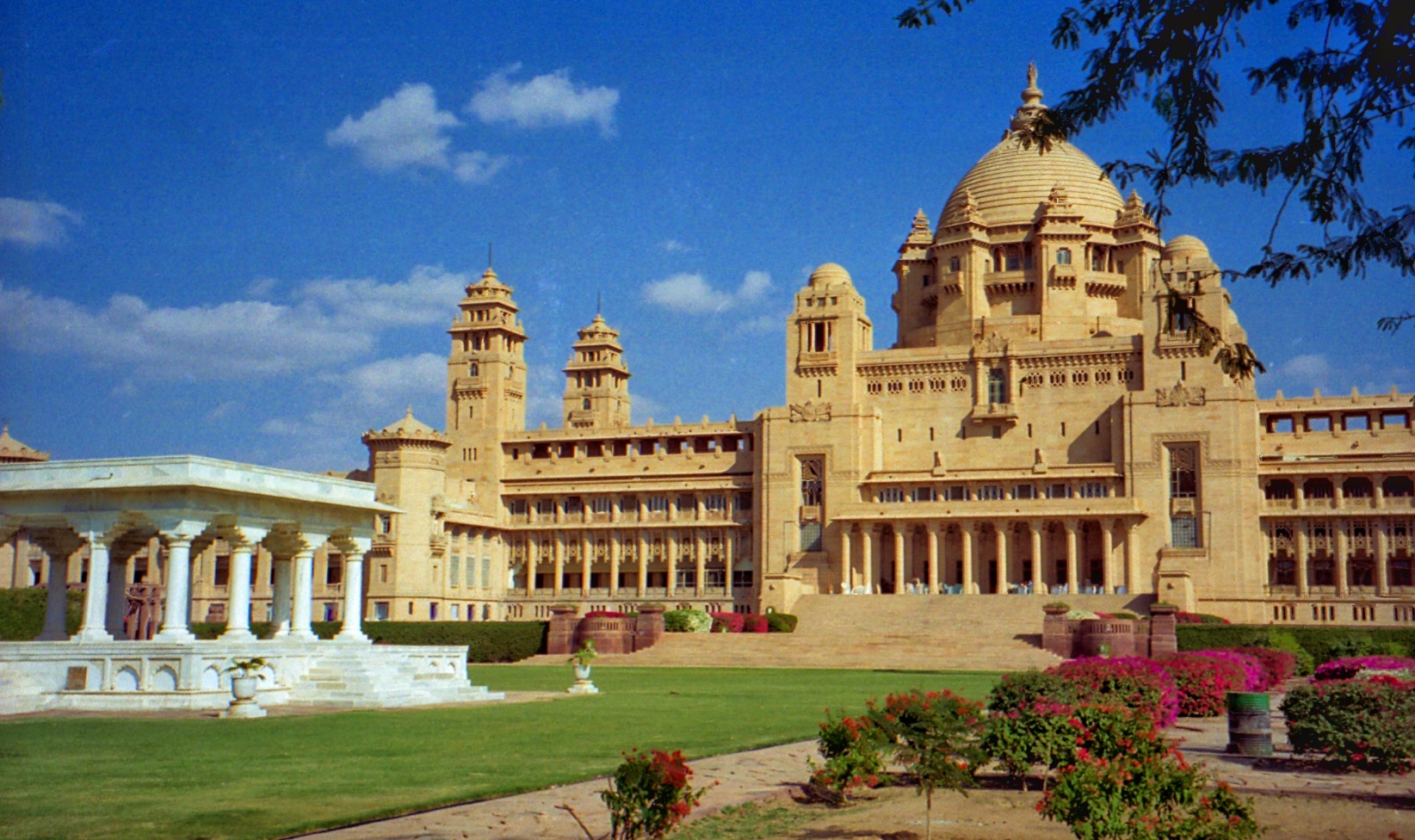
GT + Jodhpur Sun City

Wildlife & Wonders

GT + Udaipur Romance
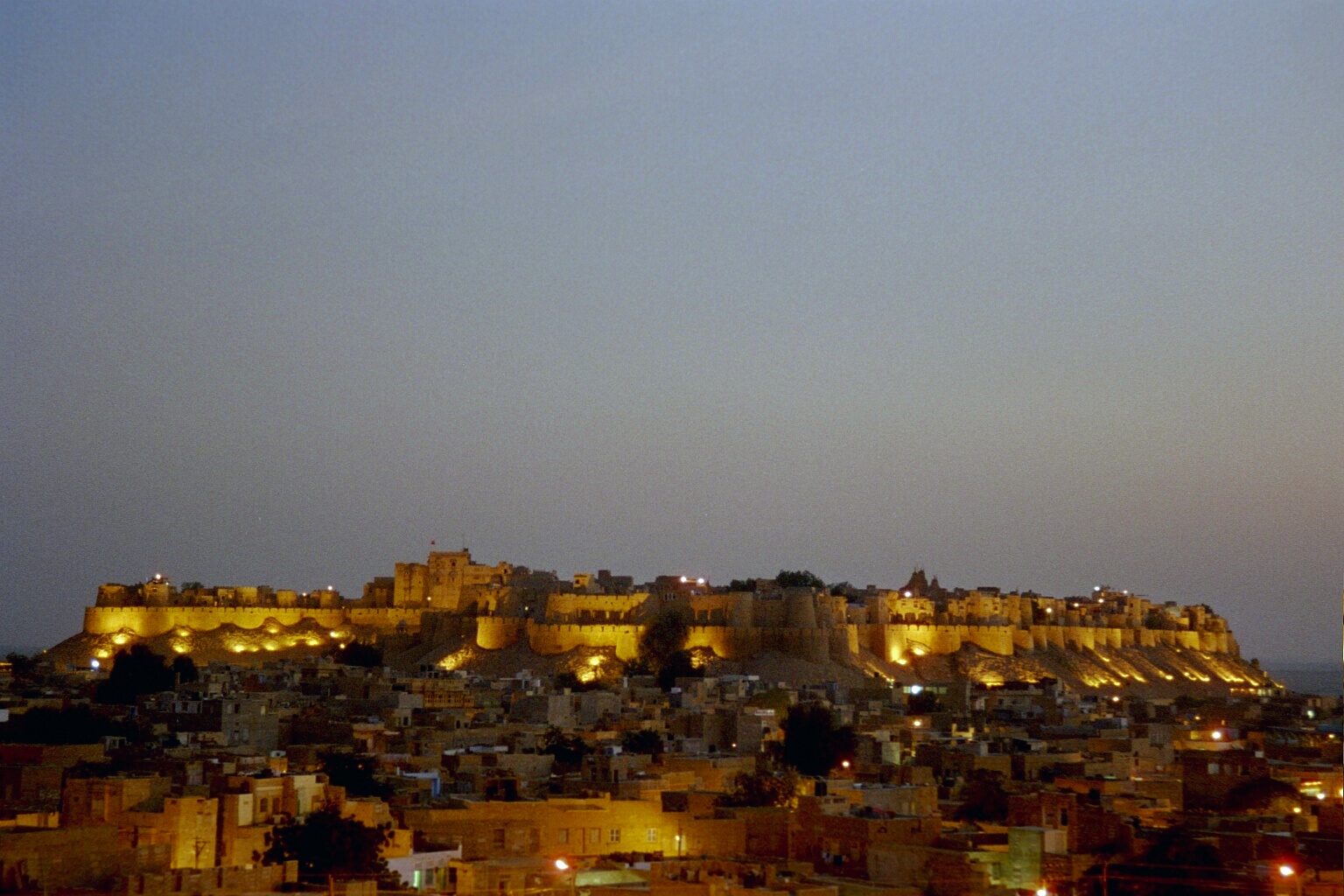
Desert & Palaces
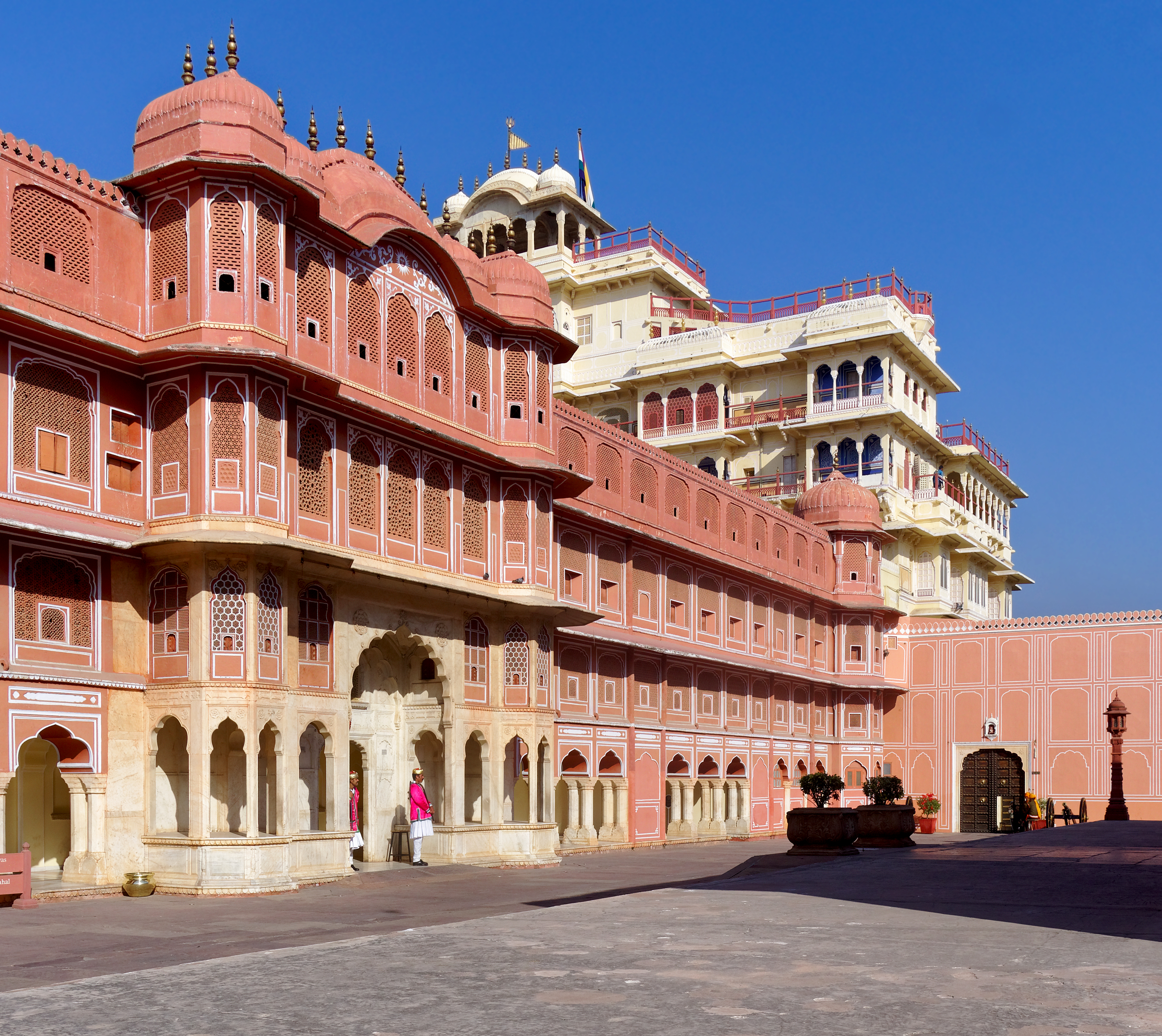
The Maharaja Circuit
Good to know
Mount Abu, your questions
Why visit Mount Abu?
For the Dilwara Jain temples, among the finest examples of Jain temple architecture in India, and for being Rajasthan's only hill station, a cool counterpoint to the desert cities.
Are the Dilwara temples worth a guided visit?
Yes, the iconography rewards a knowledgeable guide; we also handle the temple's photography restrictions and footwear etiquette in advance.
How many nights in Mount Abu?
One to two, one for Dilwara and Nakki Lake, plus Guru Shikhar/Achalgarh on a second day or a relaxed paced first day.
How does it fit a Rajasthan trip?
As the cool, contemplative leg on the southern circuit, a ~3.5-hour chauffeured climb from Udaipur.
Continue exploring
Pairs well with Mount Abu


Plan with us
Design a private journey through Mount Abu.
Tell us your dates and what you love. Our travel desk builds a private, chauffeured itinerary around Mount Abu and the wider Rajasthan Escapes, with handpicked hotels and a transparent quote, usually within a few hours.
Related journeys
Plan your trip
Plan your Mount Abu trip
Free, no obligation quote. Your details stay private.