

Tirthan Valley
The trout-stream valley by the Great Himalayan National Park
Overview
Tirthan Valley is a quiet river valley in Himachal Pradesh, India, named for the Tirthan River, a glacial-fed mountain stream famous for its trout, and bordered by the Great Himalayan National Park (UNESCO World Heritage, 2014). At 1,500-1,800 m, it is the lower-altitude, deliberately undeveloped Himachal counterpart to Manali and Kasol. There are no resorts at scale, no commercial trekking circus, no nightlife, the valley is a deliberate slow-tourism choice. MyTripMyTravel operates Tirthan as a 3-4 day Himachal slow-leg, with riverside boutique stays, trout-stream walks, and short national-park trails.
Tirthan Valley sits in the Banjar tehsil of Himachal Pradesh's Kullu district, named for the Tirthan River that runs through it. The valley is bordered on its eastern side by the Great Himalayan National Park, inscribed on the UNESCO World Heritage list in 2014 for its biodiversity, including the western tragopan, the Himalayan tahr, and the snow leopard (the last sighted rarely, never as part of a tourist itinerary).
Unlike Manali, Kullu, or even Kasol, Tirthan has resisted large-scale tourism. There is no major road artery through it, no resort chain, and only a small cluster of boutique guesthouses run by people who specifically wanted to keep it quiet. The Tirthan River is a Schedule-I protected trout stream, a remnant of British-era stocking.
Activity is deliberately small-scale: trout fishing (with a Forest Department permit), riverside walks, short trails into the buffer zone of the national park (the core zone requires multi-day expedition permits and is not casually accessible), waterfall walks, and the quiet rhythm that the valley is designed around.
MyTripMyTravel operates Tirthan as a slow Himachal leg for travellers who want the Himalayan setting without the commercial overlay, typically 3-4 nights, paired with Manali or Shimla for the wider Himachal arc. The drive in (5-6 hrs from the Manali side, 8-9 from Shimla) is part of the experience, with the valley narrowing dramatically in the final hour.
At a glance
Tirthan Valley in brief
When to visit
March to June, September to November
March to June brings warming days and the spring bird migration through the national park; the trout season runs March-June. September to November is post-monsoon clarity. December to February brings snow and the valley quietens further, atmospheric but limited activity. The monsoon (July-August) is heavy and the road is landslide-prone.
Things to do
Experiences in Tirthan Valley
Trout fishing on the Tirthan
Catch-and-release fly fishing on the protected stream, Forest Department permit required, pre-arranged.
Great Himalayan National Park buffer walk
Short guided trails into the buffer zone (the core requires multi-day expedition permits).
Serolsar Lake trek
A 5-7 km walk from Jalori Pass to the sacred high-altitude lake (3,100 m).
Jibhi waterfall walk
Short escorted forest walk to the Jibhi waterfall, atmospheric and low-traffic.
Chehni Kothi
1,500-year-old fortified Pahari tower in nearby Chehni village, among the oldest in the western Himalayas.
Bird-watching
200+ Himalayan bird species in the GHNP buffer zone, with a vetted naturalist.
Riverside reading day
The deliberate slow-day: the river, a long lunch, a book, nothing more.
Banjar village walk
Curated walk through the valley's main village, the old wooden Pahari architecture, the Saturday market.
Getting there
How to reach Tirthan Valley
Chauffeured 5-6 hrs from Manali (the most common route), 8-9 hrs from Shimla, 5 hrs from Kullu town.
Bhuntar/Kullu (KUU), 50 km, with hill-capable chauffeured leg into the valley.
No useful railhead. Chandigarh (CDG) is the practical railhead at 280 km.
Hill-capable 4WD SUVs essential for the final descent into the valley.
Where to stay
Small family-run riverside guesthouses, the entire model the valley is built around.
Restored wood-and-stone Pahari houses converted to small-scale stays.
Cottages set into the forest at the edge of the GHNP buffer zone, quieter still.
Where to eat
Siddu (steamed buckwheat bread), babru, madra, and the slow-cooked mountain cuisine at the guesthouse kitchens.
Fresh-caught (catch-and-release excepted) trout, simply grilled with mountain herbs.
Hampers arranged for streamside lunches, the deliberate-pace experience.
Ready to book
Itineraries featuring Tirthan Valley
Private, chauffeured, day-by-day journeys that feature Tirthan Valley or explore the wider Himalayan Peaks, each fully customisable, or built around your dates.

GT + Haridwar Sacred

GT + Amritsar Heritage

GT + Lucknow Royal
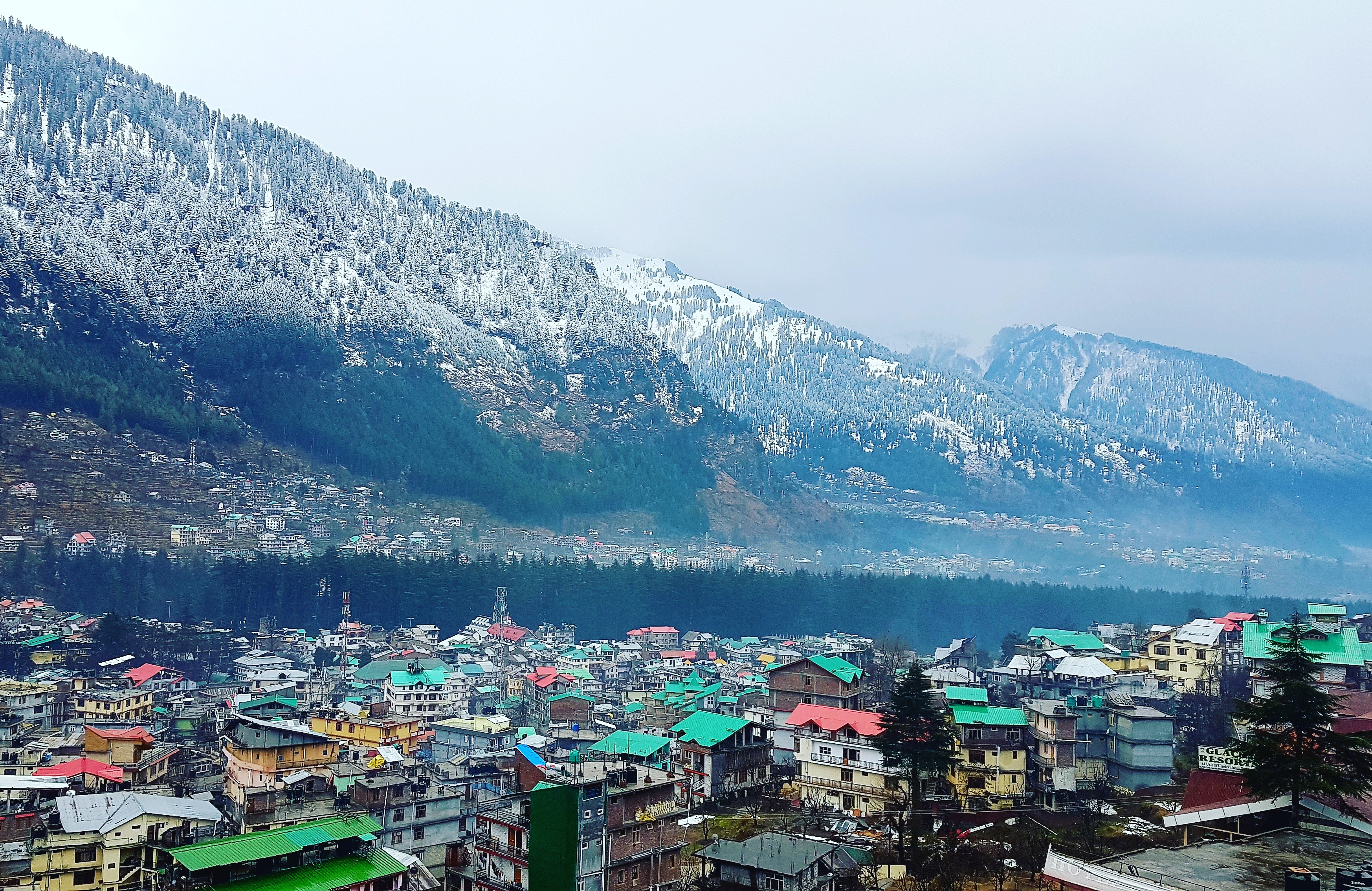
Himachal Heights
GT + Rishikesh Yoga

Ladakh Leh Expedition
Good to know
Tirthan Valley, your questions
What is Tirthan Valley known for?
A protected trout stream, the Great Himalayan National Park boundary, and a deliberate slow-tourism model. No large resorts, no chain hotels, no scaled commercial trekking, by design.
Can I trek into the Great Himalayan National Park?
The buffer zone allows short guided walks. The core zone requires multi-day expedition permits and full trekking infrastructure, not a casual itinerary item, but possible if planned far in advance.
Is the trout fishing real?
Yes, the Tirthan is a Schedule-I protected stream stocked originally by the British in the 19th century. A Forest Department permit is required (we arrange it), and fishing is catch-and-release-preferred.
How does Tirthan compare to Manali or Kasol?
Quieter than both, deliberately less developed, and oriented toward slow travel rather than commercial tourism. The valley is for travellers who specifically don't want the Manali experience.
How does Tirthan fit a Himachal trip?
As a 3-4 night slow leg paired with Manali (active), Shimla (heritage), or Spiti (high-altitude). A common arc is Shimla → Tirthan → Manali → Spiti.
Continue exploring
Pairs well with Tirthan Valley


Plan with us
Design a private journey through Tirthan Valley.
Tell us your dates and what you love. Our travel desk builds a private, chauffeured itinerary around Tirthan Valley and the wider Himalayan Peaks, with handpicked hotels and a transparent quote, usually within a few hours.
Related journeys
Plan your trip
Plan your Tirthan Valley trip
Free, no obligation quote. Your details stay private.